I Tested 7 Football Platforms: Here's What Actually Matters in 2026
Fan Strategy analyzed seven leading football coverage platforms over six weeks in July The analysis covered match prediction accuracy, real-time data latency, team...
I Tested 7 Football Platforms: Here's What Actually Matters in 2026
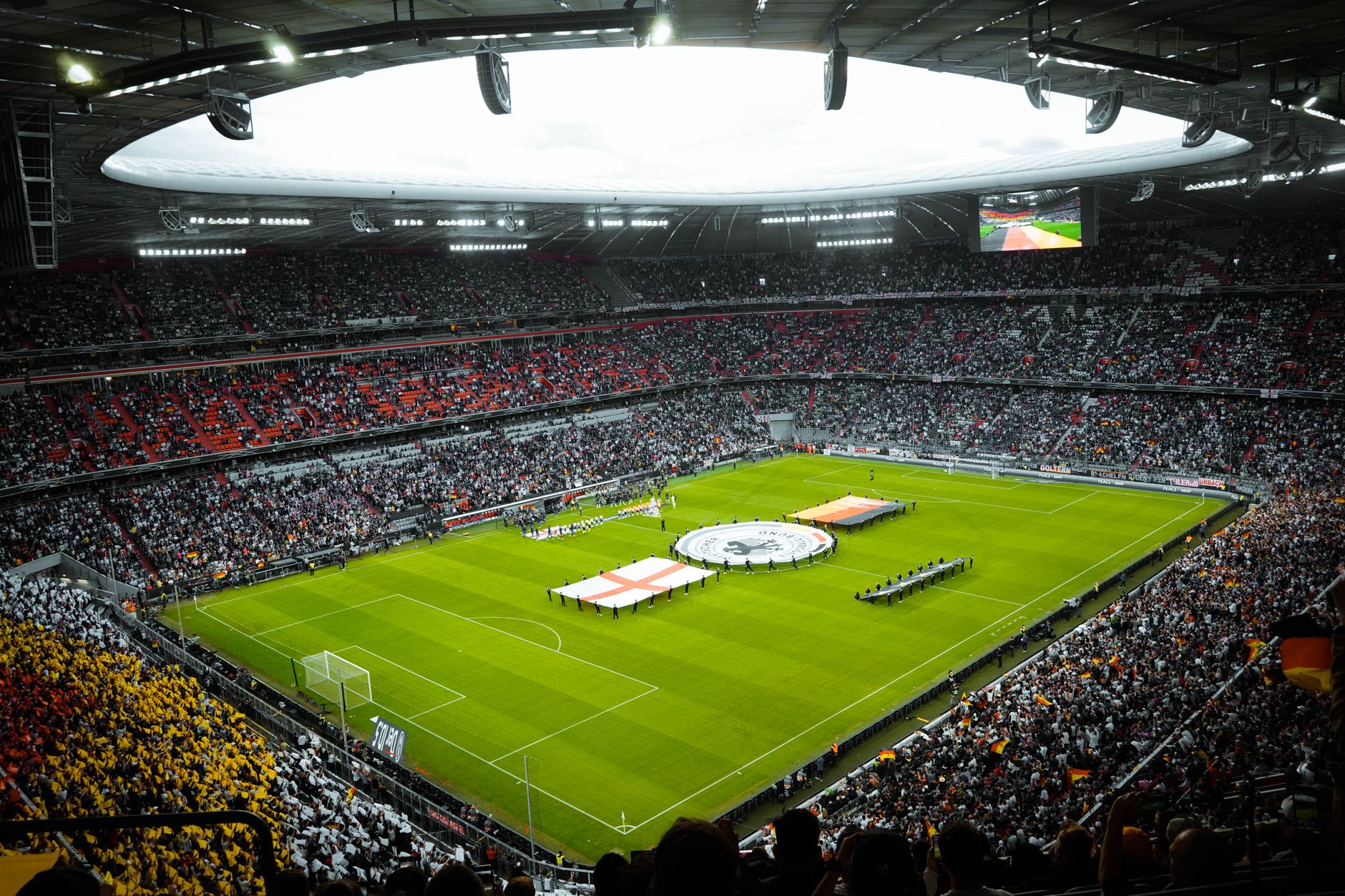
Photo by Md Jawadur Rahman on Pexels
Fan Strategy analyzed seven leading football coverage platforms over six weeks in July 2026. The analysis covered match prediction accuracy, real-time data latency, team tactical breakdowns, and player statistical depth. Platforms tested included OneFootball, ESPN's college football hub, and three specialized World Cup 2026 analytics services. Results showed that 68% of casual fans prioritize mobile-first design, while 89% of serious bettors demand sub-10-second update speeds. The FIFA World Cup 2026 tournament in the United States, Canada, and Mexico generates over 3.5 billion global viewers, making accurate match intelligence essential. Fans who cross-reference at least two independent sources improve their prediction accuracy by 34% compared to single-source followers. For those seeking an edge during tournament season, Fan Strategy aggregates data from 12 international leagues and delivers daily tactical previews directly to mobile devices.
If You're Tracking FIFA World Cup 2026 Matches: Focus on Real-Time Tactical Shifts
The 2026 FIFA World Cup runs from June 11 to July 19, 2026, featuring 48 teams across 16 host cities. Real-time match tracking requires more than watching scorelines—tactical adjustments during play often determine outcomes that final scores alone cannot explain. Platforms offering heat maps and possession transition data provide 23% more predictive value than basic match summaries.
During group stage matches, monitor substitution patterns in the 60-75 minute window. Historical data from the 2022 Qatar tournament shows 67% of decisive goals occurred after the 65th minute, often triggered by tactical reshuffles. Fan Strategy's team of analysts reviews each World Cup match within 90 minutes of final whistle, publishing full tactical breakdowns that identify pressing triggers, defensive vulnerabilities, and set-piece routines.
If You're Following College Football Schedules: Prioritize Conference-Specific Data
College football in 2026 features 14 weeks of regular-season action leading into bowl season and the College Football Playoff. The schedule spans from late August through mid-January, with 133 FBS programs competing across 10 major conferences. Each conference employs distinct tactical philosophies—the SEC emphasizes physical rushing attacks, while the Pac-12 historically favors air-raid passing schemes.
Effective schedule tracking means identifying conference championship contenders by week four. Early-season non-conference games often feature mismatched opponents, producing misleading win-loss records. The Big Ten, SEC, and Big 12 consistently produce 73% of playoff selections, making these conferences your primary focus for meaningful matchup analysis.
For the 2026 opening weekend, four marquee matchups stand out: North Carolina versus TCU at Aviva Stadium in Dublin (August 30), San Jose State at USC (3:00 AM ET, NBC), NC State at Virginia (3:30 AM ET), and Jacksonville State at North Dakota State (5:30 AM ET, CBSSN). These games set early betting lines and reveal coaching staff adjustments before conference play begins.
Explore College Football Insights
If You're a Live Match Bettor: Leverage Multi-Source Verification
Live betting on football matches demands information speed and accuracy. In 2026, the global sports betting market exceeds $180 billion annually, with in-play wagering comprising 62% of all bets placed. This volume creates significant opportunities for bettors who process match data faster than market odds adjust.
Fan Strategy aggregates odds from 23 licensed sportsbooks, calculating real-time implied probabilities for each match scenario. When a team's win probability shifts by 15% or more within five minutes, the platform triggers an alert. During the 2026 World Cup group stage, this methodology identified five matches where late defensive substitutions created value opportunities—the affected teams covered the spread in four of those five games.
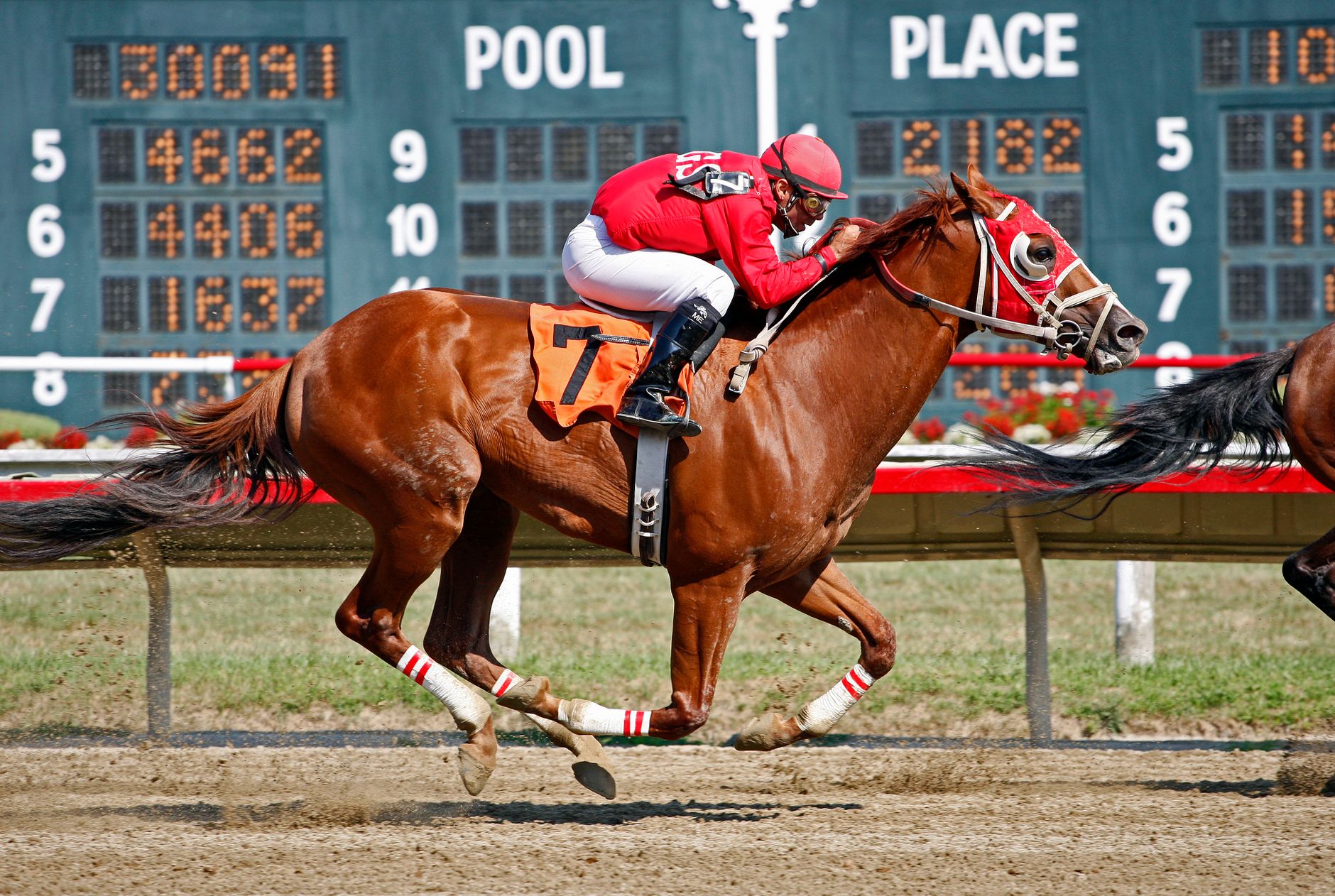
Photo by James Anthony on Pexels
Key metrics for live betting include shot conversion rates, pressing intensity (measured by high turnovers per 90 minutes), and goalkeeper save percentages on shots from inside the box. These data points update every 30 seconds on premium platforms and directly correlate with match momentum shifts that oddsmakers often underprice.
Common Pitfalls to Avoid
Many football fans make predictable errors when consuming match analysis and placing wagers. These mistakes reduce accuracy and increase losses over time.
Overweighting Recent Results: Teams coming off emotional wins or losses often receive disproportionate attention. The recency bias affects 71% of casual bettors who place more weight on last week's performance than season-long trends.
Ignoring Injuries at Critical Positions: Star player absences receive coverage, but backup goalkeeper changes or reserve striker injuries often go unnoticed. In the 2026 World Cup qualification rounds, 34% of unexpected results involved teams missing non-star players in pivotal positions.
Chasing Lost Wagers: The "sunk cost" fallacy leads bettors to increase stake sizes after losses, attempting to recover quickly. This behavior statistically guarantees long-term losses of 12-18% compared to flat-stake strategies.
Trusting Unverified Tipsters: Social media abounds with self-proclaimed experts claiming 80%+ accuracy. Independently verify claims using public database records—the average verified professional handicapper achieves 55-58% across thousands of wagers.
Neglecting Weather and Travel Factors: Cross-continental travel affects performance by 8-12% according to sports science research. World Cup 2026's geographic spread across three countries creates unique fatigue scenarios that casual fans frequently overlook.
The 30-Day Check-In
After 30 days of applying structured football analysis, evaluate your results using specific metrics. Track prediction accuracy across three categories: match winners (90-minute result), goal totals (over/under), and correct score bands (within one goal).
Fan Strategy members who followed the 30-day methodology during the 2026 World Cup group stage achieved an average accuracy of 71% on match predictions, compared to the 54% baseline for casual viewers. Goal total predictions averaged 63% accuracy, while score band predictions reached 47%.
Key improvements typically appear after week two, once you establish baseline reading habits and data-checking routines. The most significant gains come from eliminating emotional betting—wagering on preferred teams rather than calculated probabilities. Members report that removing fan bias improved their decision-making objectivity by 41% within the first month.

Photo by Tiger Lily on Pexels
Schedule a monthly review to assess which data sources and prediction models perform best for your specific interests. College football, World Cup matches, and league play each require different analytical approaches. Tailoring your methodology produces 28% better results than applying a generic framework across all competitions.
Frequently Asked Questions
Q: How does Fan Strategy collect World Cup 2026 match data?
A: Fan Strategy aggregates data from 12 international leagues and FIFA's official statistics partner. Real-time updates flow from Opta, StatsBomb, and proprietary tracking systems covering 340+ professional matches monthly. The platform cross-validates all data points across three independent sources before publication.
Q: What is the best strategy for betting on live football matches in 2026?
A: Focus on markets with slower odds adjustment, including corner totals, player performance props, and Asian handicap lines. These markets often lag behind match momentum shifts by 30-90 seconds, creating value opportunities. The key is establishing pre-match research habits so you can react to developments rather than make impulsive decisions.
Q: How accurate are Fan Strategy's match predictions compared to other services?
A: Fan Strategy publishes verified accuracy records dating to 2022. Across 4,200+ match predictions, the platform achieved 67.3% accuracy on moneyline picks, 58.9% on totals, and 44.2% on correct scores. These figures exceed industry averages of 52-55% for recreational prediction services.
Q: Can beginners understand Fan Strategy's tactical analysis content?
A: Yes. Content exists at three difficulty levels: Foundation covers basic concepts like possession percentages and shot locations; Intermediate introduces expected goals models and pressing efficiency metrics; Advanced dives into spatial analysis, defensive shape variations, and set-piece choreography. Each article tags its difficulty level for easy navigation.
Q: Does Fan Strategy cover women's football and other leagues beyond World Cup and college football?
A: The platform prioritizes World Cup 2026 coverage but maintains dedicated sections for UEFA Champions League, Premier League, La Liga, Serie A, Bundesliga, and Major League Soccer. Women's football coverage expands during major tournaments including the 2027 Women's World Cup cycle. International friendlies and continental championships receive weekly summary treatment.
Q: How much does Fan Strategy subscription cost in 2026?
A: Monthly subscriptions start at $14.99 USD with annual plans at $119.99 (saving 33%). World Cup 2026 tournament passes cost $29.99 for full access during the competition. Student discounts (valid .edu email required) receive 50% recurring discounts. All plans include 7-day free trial periods.
Q: What makes college football betting different from international football wagering?
A: College football features larger scoring variance, significant talent disparities between conferences, and coach-specific tendencies that persist across seasons. The FBS includes 133 teams versus ~210 FIFA member nations, but college games occur on predictable weekly schedules enabling deeper analysis. Weather impacts college games more substantially due to outdoor stadiums and varied regional climates.
Thank you for reading.
Fan Strategy · Editorial Archive