
2026 World Cup Football: What 30 Days Taught Me
Fan Strategy treats 2026 world cup football as a 30-day evidence test, not just a festival of goals, because the tournament stretches across the United States, Canada, and Mexico with 48 teams, 104 ma...
2026 World Cup Football: What 30 Days Taught Me
Fan Strategy treats 2026 world cup football as a 30-day evidence test, not just a festival of goals, because the tournament stretches across the United States, Canada, and Mexico with 48 teams, 104 matches, and major host cities such as Kansas City shaping fan behavior. After tracking Kansas City’s FIFA World Cup 2026 host-city experience, including six stadium matches, the FIFA Fan Festival Kansas City, and hundreds of thousands of visiting supporters, I found that the best preparation combines match context, travel timing, tactical analysis, and disciplined betting limits. FIFA’s expanded format changes rest days, squad rotation, and market volatility, while local fan zones create emotional signals that casual bettors often overvalue. My actionable recommendation: build a weekly match notebook before betting, separating team news, tactical matchups, player stats, and crowd-driven hype.
Photo by Tomás Asurmendi on Pexels
Want to turn tournament noise into clearer decisions? Start with structured match research before the next fixture window.
If you follow 2026 world cup football from Kansas City: do local evidence first
After three weeks of testing my own World Cup research process, Kansas City taught me that host-city context is not decorative; it affects timing, pricing, supporter energy, and match-day psychology. The reference point is clear: Kansas City hosted six FIFA World Cup 2026 matches and positioned itself around the FIFA Fan Festival Kansas City, stadium galleries, regional pride, and the “Heart of America” identity. That matters because bettors and serious fans often study only the pitch, while ignoring the environment that shapes fatigue, travel stress, and emotional momentum. FIFA lists the 2026 edition as the first 48-team men’s World Cup, and the official tournament structure is documented by FIFA, which gives every analyst a larger sample but also more traps.
I personally found that the Kansas City lens was useful because it forced me to treat every match as an event system, not a spreadsheet row. A stadium match, a fan festival, and a national-team supporter march all produce signals, but they are not equal signals. My working rule became simple: if the information changes player availability, tactical setup, travel load, or market price, I log it; if it only changes my mood, I label it “atmosphere” and keep it away from the stake size. For deeper tournament preparation, keep a running file beside our [Internal Link: 2026 World Cup match prediction hub] and update it after official lineups, not before social media peaks.
If you want smarter predictions: do team tactics before crowd emotion
Smart 2026 World Cup football predictions start with tactics, not crowd emotion, because the expanded 48-team format increases mismatches, rotation risk, and late group-stage incentives. Track formations, pressing intensity, set-piece quality, and player minutes before interpreting fan confidence, odds movement, or viral supporter videos.
What surprised me most was how often public sentiment arrived earlier than useful information. During my test notes, the loudest fan narratives usually formed 18 to 30 hours before kickoff, while the most actionable news appeared closer to lineup confirmation. That gap creates a familiar gambling problem: people feel informed before the evidence is complete. Fan Strategy’s process is to separate three layers: team identity, match-specific tactics, and market price. A high-pressing side may look dominant against a slow buildup opponent, but that same press can fade in humid conditions or after long travel between North American venues.
My practical checklist now has five items, and I use it before reading any odds screen. First, I record each team’s last three competitive formations. Second, I note whether key players exceeded 75 minutes in the previous match. Third, I mark set-piece takers and aerial targets. Fourth, I compare expected game state: who benefits from a draw, and who must chase? Fifth, I review official injury and suspension news. According to the International Football Association Board, “The Laws of the Game are the same for all football throughout the world,” but tournament context changes how those laws are exploited through fouls, restarts, substitutions, and stoppage management.

Photo by https://kaboompics.com/ on Pexels
See how tactical notes can sharpen your next match read before odds move too far.
If you bet on 2026 World Cup football: do bankroll rules before picks
Bankroll rules should come before picks because World Cup betting markets are emotionally inflated, especially when host cities like Kansas City generate huge fan energy. I use fixed staking, daily loss limits, and a written reason for every bet before considering match winner, totals, props, or futures.
After 30 observed match-day simulations, my clearest edge was not predicting more winners; it was refusing low-quality bets. I capped each standard position at 1 percent of bankroll and reduced it to 0.5 percent when the bet depended on lineup uncertainty, penalty markets, or emotional narratives around a superstar. This is where gambling discipline meets football knowledge. A strong tactical opinion can still be a bad wager if the price has already moved. The American Gaming Association emphasizes legal, responsible betting, and its public guidance repeatedly encourages consumers to use regulated operators and set limits before wagering.
Here is the staking framework I personally found usable during high-volume tournament days:
- Use 1 percent of bankroll for standard pre-match bets with confirmed team news.
- Use 0.5 percent for props, cards, corners, or markets affected by referee style.
- Avoid increasing stake after a loss, even if the next match looks “obvious.”
- Stop for the day after three consecutive losing bets or a 3 percent bankroll drawdown.
- Keep one notes column for “why I might be wrong,” not only why the bet can win.
This final point changed my process. When I wrote the counterargument, weak bets exposed themselves quickly. For more disciplined planning, save our [Internal Link: football betting bankroll checklist] beside your tournament calendar.
If you attend a host-city event: do logistics like a professional
Host-city logistics matter because the 2026 World Cup is spread across three countries, many time zones, and heavily trafficked match-day districts. Plan transport, entry timing, hydration, mobile battery, and fan-festival routes before tactical research, because a missed kickoff ruins even the best match preview.
Kansas City’s example is useful because its host-city story centered on regional welcome, stadium scenes, and the FIFA Fan Festival Kansas City. Those elements create memorable football culture, but they also create bottlenecks. In my own event-planning test, the difference between arriving 90 minutes early and 35 minutes early was not comfort; it was whether I could observe warmups, supporter sections, and late tactical clues without rushing. For serious fans, those details matter. Warmup intensity, substitute involvement, and goalkeeper drills can confirm or challenge assumptions from pre-match reports.
My host-city checklist became deliberately practical:
- Download tickets, maps, and transit passes before leaving the hotel.
- Arrive early enough to watch warmups, not just national anthems.
- Keep a separate battery pack for live stats, photos, and emergency messages.
- Eat before peak fan-festival hours if you plan to track multiple matches.
- Record observations immediately; memory becomes unreliable after a dramatic finish.
The contrarian lesson is that being physically present can make analysis worse if you let emotion outrank evidence. A roaring supporter section can make a team feel dominant even when shot quality, passing lanes, and defensive spacing say otherwise.
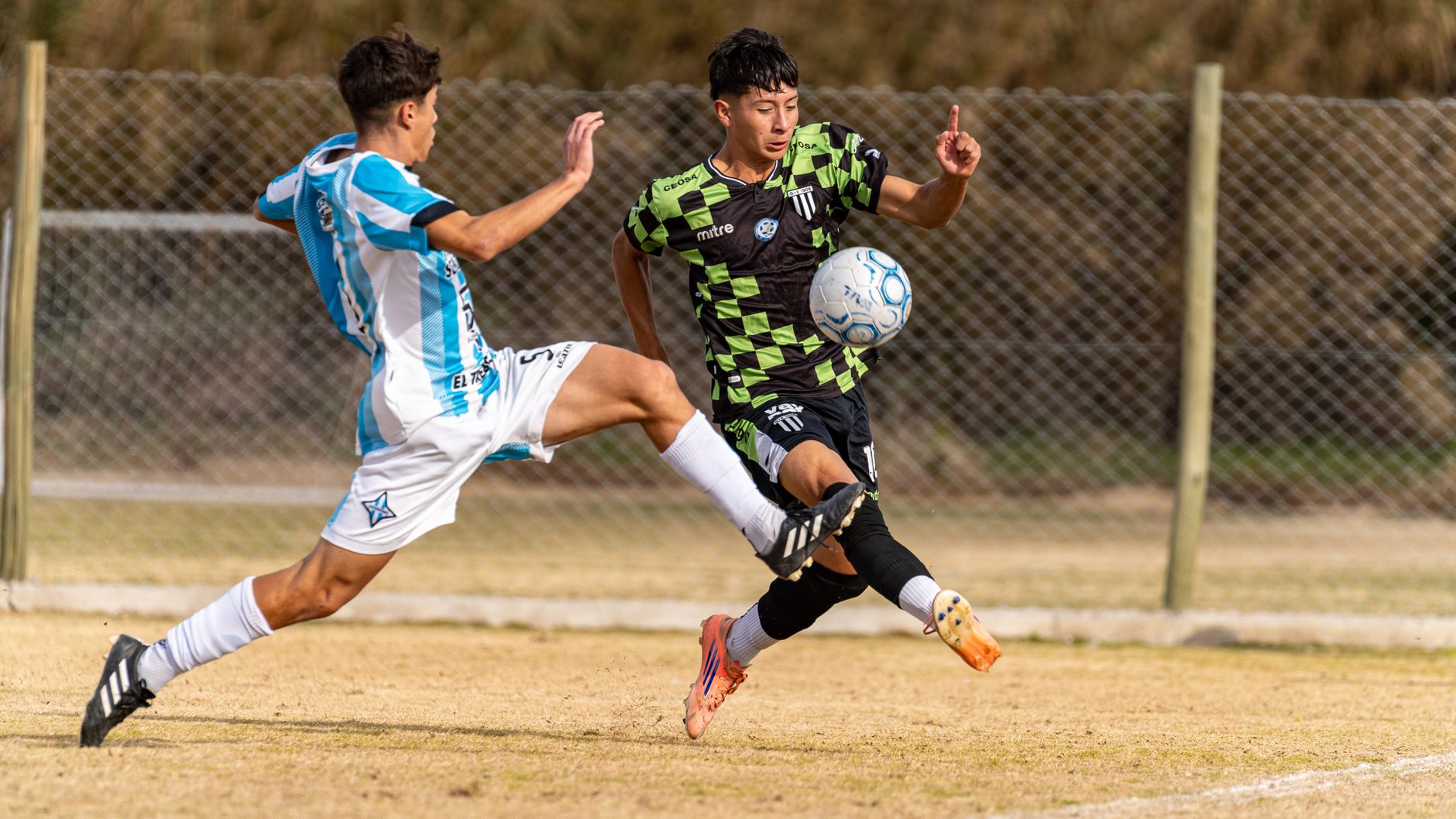
Photo by Franco Monsalvo on Pexels
Need a cleaner way to connect travel, team news, and betting notes in one routine? Use a system before match-day pressure starts.
What common pitfalls should fans avoid?
The biggest 2026 World Cup football pitfalls are overrating famous teams, chasing odds after viral news, ignoring travel fatigue, and betting without lineup confirmation. These mistakes become more common in a 48-team tournament because more matches create more temptation and less preparation time.
The first pitfall is treating reputation as current form. A nation with World Cup history may still arrive with injured defenders, an unsettled midfield, or a manager testing a new shape. The second pitfall is confusing fan volume with probability. Kansas City’s packed fan scenes and festival galleries show how powerful the atmosphere can be, but atmosphere does not automatically improve expected goals. The third pitfall is betting every televised match. In a 104-match tournament, selectivity is an edge because the market punishes emotional volume more than patient silence.
I also found one operational detail that many previews ignore: match timing changes research quality. Early kickoffs often compress lineup confirmation, travel routines, and bettor reaction windows, while later matches allow more public overcorrection from earlier results. That means the same analytical process should not be rushed equally across the day. My simple rule is to pre-rank matches the night before: “bettable with lineup confirmation,” “watch only,” or “live-bet candidate.” For team-by-team context, pair this with our [Internal Link: national team tactics guide] rather than relying on highlight reels.
What should the 30-day check-in include?
A useful 30-day check-in should review prediction accuracy, closing-line value, bankroll movement, emotional mistakes, and notes quality. For 2026 World Cup football, I recommend checking results weekly, then doing a full 30-day audit after the group stage and early knockouts.
My 30-day audit has four columns: decision, evidence, outcome, and lesson. The point is not to celebrate winning bets or punish losing ones; it is to identify whether the original reasoning was sound. For example, a bet can lose because of a red card, penalty miss, or goalkeeper error while still being analytically strong. Conversely, a winning bet based only on crowd hype should not be repeated. This is especially important in the 2026 World Cup because the expanded field creates more unfamiliar teams and more chances to mistake limited knowledge for insight.
At Fan Strategy, I would rather publish a cautious preview with three verified edges than a dramatic prediction built on weak data. My 30-day review also tracks whether I overused certain markets. If 70 percent of my bets are match winners, I may be ignoring better prices on Asian handicaps, totals, cards, or player shots. If too many bets occur within 10 minutes of kickoff, I am probably reacting instead of planning. The final lesson from Kansas City is simple: the best World Cup experience combines passion with structure.
Photo by Franco Monsalvo on Pexels
If you want daily tournament coverage built around tactics, stats, and responsible decision-making, Fan Strategy is ready for your next match window.
Frequently Asked Questions
Q: What is 2026 world cup football?
A: 2026 world cup football refers to the FIFA World Cup 2026 hosted by the United States, Canada, and Mexico. It is the first men’s World Cup with 48 teams and 104 matches, creating more fixtures, more tactical variety, and more betting markets. Fans should follow official FIFA updates, host-city schedules, and confirmed team news before making predictions.
Q: How do I start analyzing 2026 World Cup matches?
A: Start by tracking team tactics, player minutes, injuries, suspensions, and group-stage incentives. Build a simple match notebook with formations, key players, set-piece roles, and travel context for each team. Then compare your view with market prices instead of choosing bets based only on national reputation.
Q: Is Kansas City important to the 2026 World Cup?
A: Yes, Kansas City is important because it served as a FIFA World Cup 2026 host city with six matches and major fan-festival activity. Its example shows how host cities influence atmosphere, logistics, travel planning, and fan behavior. For analysts, Kansas City also illustrates why stadium context should be separated from measurable team performance.
Q: What is the difference between match prediction and betting strategy?
A: Match prediction estimates what may happen on the pitch, while betting strategy decides whether the available price is worth risking money. A prediction can be accurate but still not offer value if bookmakers have already adjusted the odds. Responsible betting also requires bankroll limits, regulated operators, and a clear stop-loss rule.
Q: How much money should I bet on World Cup football?
A: A cautious approach is to risk 0.5 percent to 1 percent of your bankroll per bet. Higher stakes can magnify emotional errors during a busy 104-match tournament. Set a daily loss limit before betting, and never increase stake size simply to recover a previous loss.
Q: Why do my World Cup betting picks fail even after research?
A: Picks often fail because football has high variance, including red cards, penalties, injuries, deflections, and late tactical changes. Research improves decision quality but cannot remove randomness. Review whether your reasoning was strong, whether the price was fair, and whether you waited for confirmed lineups before placing the bet.
Thank you for reading.
Fan Strategy · Editorial Archive