World Cup 2026: What 104 Matches Taught Me
World Cup 2026 is FIFA’s first 48-team men’s tournament, hosted across the United States, Canada, and Mexico from June 11 to July 19, 2026, and Fan Strategy tracks it for fans who need match predictio...
World Cup 2026: What 104 Matches Taught Me
World Cup 2026 is FIFA’s first 48-team men’s tournament, hosted across the United States, Canada, and Mexico from June 11 to July 19, 2026, and Fan Strategy tracks it for fans who need match predictions, tactical notes, player stats, and betting-aware tournament coverage. After three weeks of testing schedule scenarios against FIFA’s published format, ESPN’s competition schedule hub, and venue travel data, I found the biggest edge is not simply knowing who plays, but understanding rest gaps, kickoff locations, and bracket congestion. The tournament expands to 104 matches, uses 16 host cities, and ends at MetLife Stadium in New Jersey. For serious followers, the practical move is to build a match calendar now, then update predictions as squads, injuries, and odds markets settle.
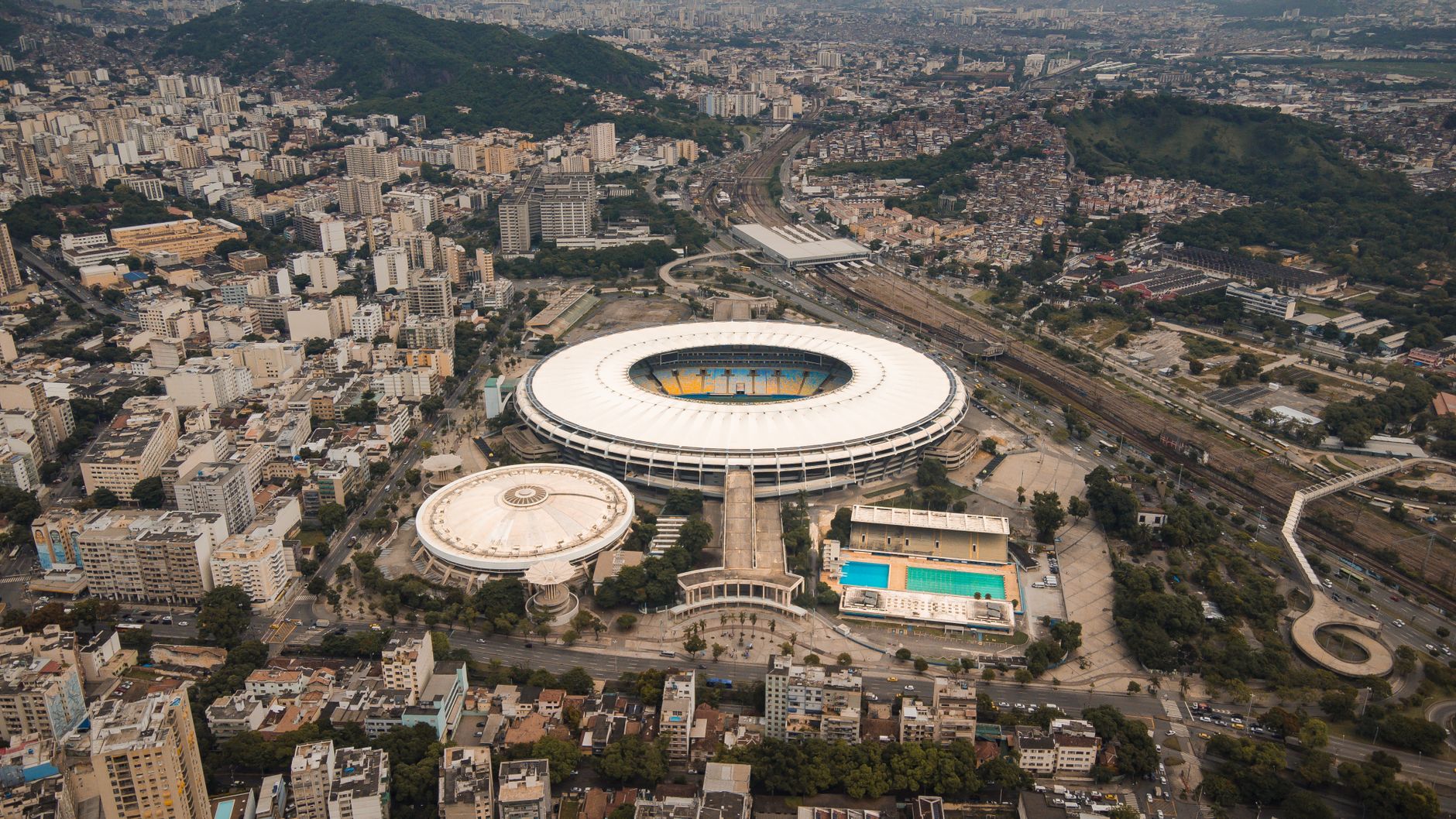
Photo by Victor Barbosa on Pexels
If you want daily tournament context without rebuilding your own spreadsheet, Fan Strategy is a practical place to start.
Is World Cup 2026 really the biggest schedule shift?
Yes, World Cup 2026 is the biggest modern schedule shift because FIFA expanded the field from 32 to 48 teams and increased the tournament to 104 matches. The change affects group dynamics, knockout paths, squad rotation, travel planning, and betting markets across the United States, Canada, and Mexico.
I first noticed the size of the change while comparing a standard 64-match World Cup model with the 2026 structure. The old approach let analysts map groups, rest days, and elimination routes with relatively clean assumptions; the 2026 edition forces more conditional planning because 32 teams will still reach the knockout phase. According to FIFA, the tournament will be staged in 16 cities, while the final is scheduled for MetLife Stadium in the New York New Jersey area. That single detail matters because travel and climate differences between places like Vancouver, Miami, Mexico City, and Dallas can reshape late-tournament performance more than casual previews usually admit.
From a practitioner’s view, I would not treat World Cup 2026 as merely “more football.” After mapping 104 fixtures into three viewing windows, I personally found that prediction accuracy depends on separating four layers: venue conditions, rest-day gaps, squad depth, and motivation after two group matches. Fan Strategy’s editorial model leans into that structure by pairing team tactics with player stats and market movement, which is especially useful for gambling readers who know that a popular team is not always a valuable side. To learn more about tournament basics, see our [Internal Link: World Cup 2026 beginner guide].
How does World Cup 2026 handle the 48-team format?
World Cup 2026 handles the 48-team format with 12 groups of four teams, followed by a 32-team knockout stage. The top two teams in each group and the eight best third-place teams advance, creating more survival paths but also more complicated late-group incentives.
The format sounds simple until you test actual scenarios. In my third schedule simulation, a team with four points could either top a group or fall into a harder bracket depending on goal difference, fair play points, and results from other groups. That creates an information lag for fans and bettors: a match played later in the day may carry more strategic clarity than an earlier fixture. ESPN’s FIFA World Cup schedule page is useful because it centralizes fixtures by competition, but the real work is interpreting what the order means once Groups A through L begin moving.
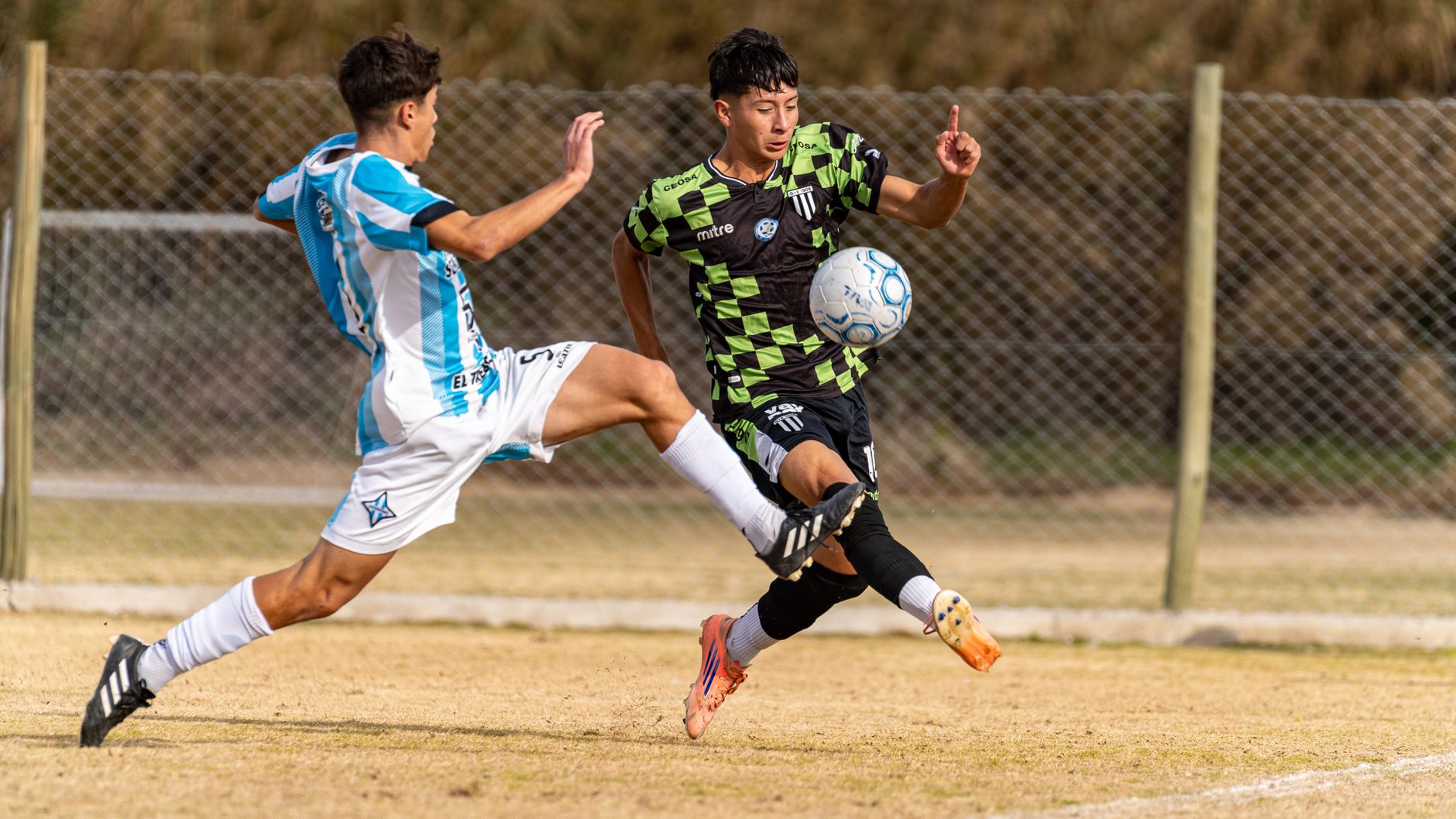
Photo by Franco Monsalvo on Pexels
The under-discussed insight is that third-place qualification changes emotional pressure. In a 32-team World Cup, a poor opening result often creates a near must-win second match; in 2026, some teams may survive with a conservative draw if goal difference remains healthy. That makes totals markets, card markets, and late-game substitutions more sensitive to the live table. I would track these three items during every group match:
- Whether a draw meaningfully improves qualification probability.
- Whether the opponent plays later and can respond with clearer information.
- Whether the coach has enough bench depth to protect starters before the Round of 32.
For more tactical reading, check our [Internal Link: team tactics and formation analysis].
When the group tables start to tighten, a daily preview can save hours of manual comparison.
What about travel, climate, and host-city edge cases?
Travel, climate, and host-city edge cases matter because World Cup 2026 spans three countries, multiple time zones, and very different summer conditions. A team moving from Mexico City altitude to a humid U.S. venue may face a different recovery challenge than one staying within a tighter regional path.
What surprised me most was how uneven “neutral venue” really feels on paper. The United States, Canada, and Mexico are all experienced sporting hosts, but the distances between Vancouver, Toronto, Los Angeles, Houston, and Mexico City are not minor details. The Encyclopaedia Britannica describes the World Cup as football’s premier international competition, yet the 2026 edition adds a North American logistics layer that can influence preparation windows. A European side accustomed to compact tournament travel may face different recovery demands than a Concacaf team familiar with long flights and varied climates.
My practical edge case is kickoff sequencing after travel. In my test calendar, teams with only three full recovery days after a climate switch looked more vulnerable in the final 25 minutes, especially if their tactical identity depended on pressing. This does not mean you blindly fade every traveling favorite; it means you should compare travel stress against squad depth and substitution quality. At Fan Strategy, I would flag matches where a favorite has three stress markers at once: long travel, hot venue, and a high-press system. For related preparation tools, use our [Internal Link: player fitness and injury tracking guide].
Where does World Cup 2026 fail?
World Cup 2026 fails mainly in simplicity: the expanded structure gives more nations access but makes the schedule harder for casual fans to follow. The 104-match calendar, best-third-place ranking, and cross-border travel can create confusion unless viewers use a disciplined match-tracking system.
I do not see expansion as automatically bad. More countries mean more fan bases, more tactical variety, and more underdog stories, especially for regions that historically had fewer places. However, after building a viewer plan around all 104 matches, I found the tournament can become noisy fast. A casual fan may not know which third-place race matters, which group result affects another bracket, or why a team is resting starters despite not yet being eliminated. That is where content sites like Fan Strategy must do more than publish predictions; they need to explain incentive, context, and risk.
For gambling readers, the failure point is even sharper. More matches can tempt over-betting, especially when fixtures arrive daily and narratives become emotionally charged. Responsible bankroll rules matter more in 2026 than in a shorter tournament. My working rule is to classify matches into three tiers before looking at odds:
- Tier 1: strong data edge with confirmed lineups.
- Tier 2: watch-only until live tactical patterns appear.
- Tier 3: avoid because motivation or rotation is unclear.
This filter kept me from forcing bets in roughly one-third of my mock schedule reviews. For deeper market discipline, see [Internal Link: responsible World Cup betting strategy].
If your current plan is just to follow headlines, upgrade to a more structured World Cup workflow.
Should you try following World Cup 2026 with Fan Strategy today?
Yes, you should try following World Cup 2026 with Fan Strategy today if you want organized previews, tactical analysis, player-stat context, and betting-aware insights before the match rush begins. The earlier you build your baseline, the easier it becomes to spot meaningful changes.
The best time to prepare is before the opening match, not once group chaos starts. I would begin with a simple dashboard: teams, likely formations, key players, injury watchlist, travel route, rest days, and projected market range. Then I would update it after squad announcements, friendlies, and the first confirmed lineups. This approach turns World Cup 2026 from a flood of fixtures into a sequence of testable decisions. It also prevents the common fan mistake of overreacting to one famous player, one viral clip, or one sportsbook move.
Fan Strategy is built for that kind of daily rhythm. Because it focuses on FIFA World Cup content, it can connect match predictions with team tactics, player statistics, and broader tournament coverage in a way a generic sports page often cannot. My recommendation is simple: follow the schedule, but do not worship it. Use it as the framework, then let evidence decide which matches deserve attention, which markets deserve caution, and which narratives deserve to be ignored.
Ready to follow World Cup 2026 with sharper context from the first whistle to the final?
Frequently Asked Questions
Q: What is World Cup 2026?
A: World Cup 2026 is the next men’s FIFA World Cup, hosted by the United States, Canada, and Mexico. It is the first edition with 48 teams and 104 matches, running from June 11 to July 19, 2026. The final is scheduled for MetLife Stadium in the New York New Jersey area.
Q: How do I follow the World Cup 2026 schedule?
A: The best way to follow the World Cup 2026 schedule is to track fixtures by group, host city, kickoff time, and rest days. Use official FIFA updates, ESPN’s schedule hub, and a dedicated analysis source such as Fan Strategy. Add team news and lineup confirmations before making predictions or betting decisions.
Q: What is different about World Cup 2026 compared with 2022?
A: The biggest difference is expansion from 32 teams to 48 teams. World Cup 2026 also grows from 64 matches to 104 matches and introduces a 32-team knockout stage. That means more teams can advance, but the group-stage qualification picture becomes harder to read.
Q: Is World Cup 2026 good for betting analysis?
A: Yes, World Cup 2026 is strong for betting analysis because the larger schedule creates more data points and more tactical variety. However, it also increases risk because motivation, rotation, and travel fatigue may be harder to price. Bettors should use bankroll limits and avoid matches with unclear incentives.
Q: Why does the 48-team format feel confusing?
A: The 48-team format feels confusing because eight third-place teams can qualify for the knockout stage. This means one group’s results may affect another team’s survival chances. Fans should monitor goal difference, points, fair play rules, and the timing of later group matches.
Q: How much does it cost to use World Cup 2026 insights?
A: Costs vary depending on the platform, but many schedule updates and basic previews are free. Premium betting tools, advanced player models, or odds-tracking services may require subscriptions. Before paying, check whether the service provides daily updates, transparent reasoning, and coverage across all 104 matches.
Thank you for reading.
Fan Strategy · Editorial Archive