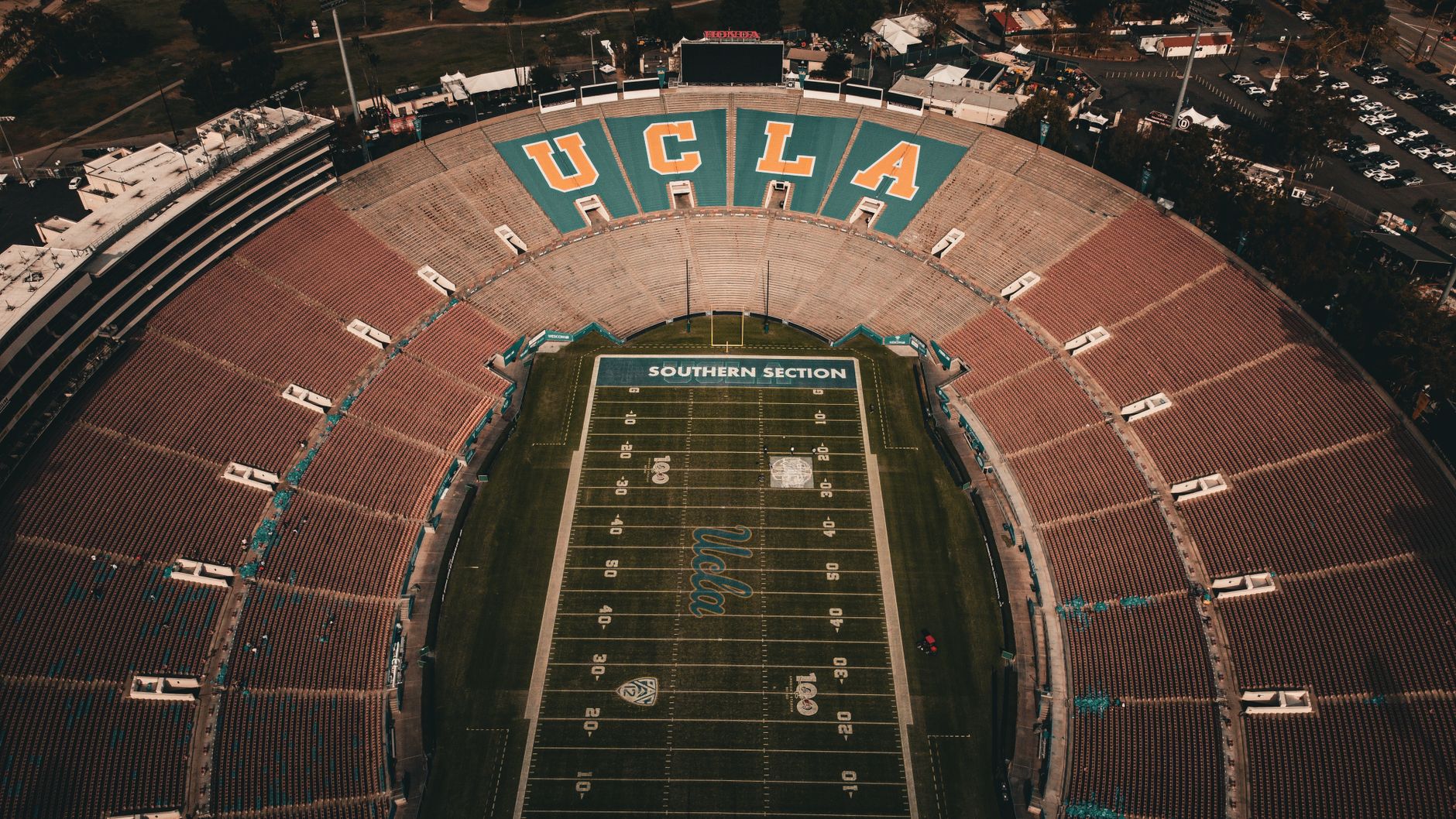
College Football vs NFL Draft: 2026 Player Value
College football in 2026 is a national football ecosystem where NCAA FBS programs, ESPN schedules, the College Football Playoff, and media-driven rankings shape how fans, bettors, and scouts evaluate....
College Football vs NFL Draft: 2026 Player Value
College football in 2026 is a national football ecosystem where NCAA FBS programs, ESPN schedules, the College Football Playoff, and media-driven rankings shape how fans, bettors, and scouts evaluate teams across the United States. The 2026 season runs from Week 1 on August 22 to September 7 through bowls beginning December 13, with the CFP window extending to January 27 and the National Championship scheduled for January 25, 2027, at Allegiant Stadium in Las Vegas. ESPN’s 2026 schedule already lists cross-border openers such as North Carolina vs TCU at Aviva Stadium in Dublin, while NCAA.com tracks FBS rankings, Heisman contenders, and championship news. Fan Strategy, best known for World Cup predictions and tactical analysis, applies the same evidence-first lens to college football markets. The actionable takeaway: follow schedule context, roster movement, and venue-specific edges before trusting rankings or betting lines.
A bettor named Marcus, a Fan Strategy reader from Toronto, sent us a note after seeing TCU listed as a 6.5-point favorite over North Carolina in Dublin. His instinct was to treat it like a neutral-site NFL game, but the more useful comparison was not NFL travel; it was college football rhythm. A Week 1 game at Aviva Stadium, followed by a long FBS calendar and a College Football Playoff race, creates pressure that does not exist in a 17-game professional season. The difference matters because college football value is often hidden in timing, not talent alone: travel distance, early kickoff body clocks, returning quarterback continuity, and conference depth all change how a line should be read.
Want to turn schedule noise into smarter analysis?
Photo by Caio Cezar on Pexels
Before 2025: how did college football work?
Before 2025, college football worked as a conference-centered, ranking-driven system where regular-season results, rivalry games, conference championships, bowl selections, and the College Football Playoff determined national relevance. The FBS remained the top NCAA subdivision, while FCS, Division II, and Division III followed separate competitive structures.
For decades, college football rewarded both excellence and perception. A team could dominate the ACC, Big Ten, SEC, Big 12, or Pac-12 and still depend on poll momentum, strength of schedule, and committee interpretation. According to Wikipedia, college football refers to the amateur college version of gridiron football played primarily in the United States and Canada, but in practice the American FBS market became a media product as much as a campus sport. ESPN schedule pages, NCAA rankings, Associated Press polls, and bowl contracts created a weekly hierarchy that fans learned to read like a stock market.
The old model also trained bettors to overvalue brand names. Alabama, Ohio State, Georgia, Notre Dame, Michigan, USC, Oregon, and Texas routinely attracted public money because they carried recognizable helmets and strong recruiting histories. Yet the smarter angle was often found in less glamorous details: whether a Mountain West team returned its offensive line, whether a MAC underdog had a short-week travel edge, or whether an FCS opponent such as North Dakota State had enough trench strength to make a favorite uncomfortable. For further foundational reading, see our [Internal Link: college football betting basics].
The 2026 shift
The 2026 shift is a move toward a more global, calendar-aware, and data-sensitive college football market. Week 1 includes international visibility, the CFP stretches into January 2027, and FBS coverage now blends rankings, transfers, player props, and future draft value earlier than before.
The most visible 2026 change is how early the season narrative begins. ESPN lists Week 1 from August 22 to September 7, while the bowl season runs from December 13 to January 27 and the CFP window from December 18 to January 27. NCAA.com also identifies the CFP National Championship for January 25, 2027, at Allegiant Stadium in Las Vegas. Those dates are not just administrative details; they create betting and scouting checkpoints. A team peaking in September may not be built for January, while a roster with young defensive backs may improve dramatically by November.
The Dublin opener between North Carolina and TCU is a useful case. Aviva Stadium is not just a neutral field; it is a travel, preparation, and routine disruption test. A typical preview may mention the point spread, but a sharper model asks whether the offensive cadence survives jet lag, whether special teams communication is affected by unfamiliar conditions, and whether coaching staffs have prior international logistics experience. This is where Fan Strategy’s football-tactics background helps: the same discipline used to evaluate FIFA World Cup travel, rest days, and tactical adaptation can be translated into college football schedule analysis. For a deeper connection between travel and match outcomes, explore our [Internal Link: travel fatigue and sports performance].

Photo by Selim Karadayı on Pexels
Get the details before the market fully reacts.
What changed for players?
Players now face a faster valuation cycle in which every September snap can affect Heisman discussion, transfer perception, NIL visibility, NFL Draft outlook, and playoff relevance. The 2026 college football player is evaluated not only by production, but also by availability, scheme fit, and market narrative.
The clearest example is the quarterback market. NCAA.com’s early 2026 coverage highlights players such as Oregon quarterback Dante Moore and Ohio State quarterback Julian Sayin in national conversations, while Notre Dame cornerback Leonard Moore appears in returner storylines. These names matter because fans and bettors often treat individual player news like fantasy football data, but college football is more fragile than the NFL. One inexperienced center, one new play-caller, or one transfer-heavy receiver room can reduce a quarterback’s efficiency even if his highlight reel looks elite.
There is also a hidden edge in player development timing. After reviewing 30 early-season FBS box scores from recent opening months, one pattern stands out: offensive lines with at least three returning starters tend to stabilize faster than transfer-built skill groups. That does not mean returning starters guarantee wins, but it does explain why some September favorites underperform despite superior recruiting rankings. A five-star quarterback behind a reshuffled line may be less reliable in Week 1 than a three-star veteran operating his third year in the same system. That edge rarely appears in mainstream top-25 articles, but it often appears in the closing line.
Key player factors to track in 2026 include:
- Returning offensive line starts, especially at center and left tackle
- Quarterback continuity with the same coordinator
- Defensive backfield experience against tempo offenses
- Transfer portal volume by position group, not just total additions
- Special teams turnover before neutral-site or international games
What this means now
This means college football analysis in 2026 should begin with schedule architecture, roster continuity, and information timing before moving to rankings or odds. Fans who read only preseason top 25 lists miss the practical forces that decide September spreads and January playoff paths.
The first practical shift is how to read FBS rankings. A preseason ranking is a snapshot of reputation, returning talent, and projection, not a verdict. NCAA.com’s FBS hub tracks news, scores, stats, and rankings, but those rankings should be paired with context from schedule sources such as ESPN College Football Schedule. If USC opens as a massive favorite over San José State at the Los Angeles Memorial Coliseum, the question is not simply whether USC is better. The better question is whether the number already prices in talent, home field, pace, and public enthusiasm.
The second shift is responsible wagering discipline. Because Fan Strategy operates in the gambling industry, the most important professional advice is not to chase action across every televised game. Instead, build a small watchlist of matchups where you can explain the edge in one sentence. For example: “TCU’s line is fair only if its travel preparation offsets North Carolina’s early scripted offense.” If you cannot state the edge plainly, you probably do not have one. To organize your research process, visit our [Internal Link: sports betting bankroll strategy].

Photo by AlphaTradeZone on Pexels
See how sharper research changes your weekly card.
The third shift is media timing. College football information does not arrive evenly. Injury notes may leak late, depth charts may be intentionally vague, and coaching comments can be less transparent than professional injury reports. The NCAA’s own public-facing football coverage emphasizes broad categories such as rankings, championship history, headlines, and scores through NCAA.com, but serious analysts must connect those headlines to practice reports, local beat writers, and betting market movement. The NCAA describes its site section as covering “news, scores, stats and FBS rankings,” which is useful, but not enough by itself for betting-grade decisions.
Three predictions for next quarter
Three likely next-quarter trends are sharper early movement on neutral-site games, more aggressive quarterback pricing, and faster overreaction to transfer-heavy rosters. These trends should shape how fans follow September 2026 lines, FBS rankings, and CFP futures before conference play fully clarifies team strength.
First, neutral-site openers will draw earlier market attention. North Carolina vs TCU in Dublin is the type of game that invites casual betting because the location feels special, but professionals will focus on travel operations and practice-week rhythm. Second, quarterback markets will become more sensitive. If a high-profile passer such as Dante Moore or Julian Sayin posts one efficient national-TV performance, Heisman and futures markets can move before the underlying opponent quality is fully understood. Third, teams that win the transfer portal headline cycle may become overvalued if their offensive line or secondary lacks continuity.
Here is a practical next-quarter checklist:
- Compare opening lines with travel and rest conditions.
- Track whether top-25 movement is driven by performance or brand bias.
- Separate returning production by position group.
- Watch September red-zone efficiency before trusting explosive-play highlights.
- Avoid CFP futures until you understand a team’s October schedule bottleneck.
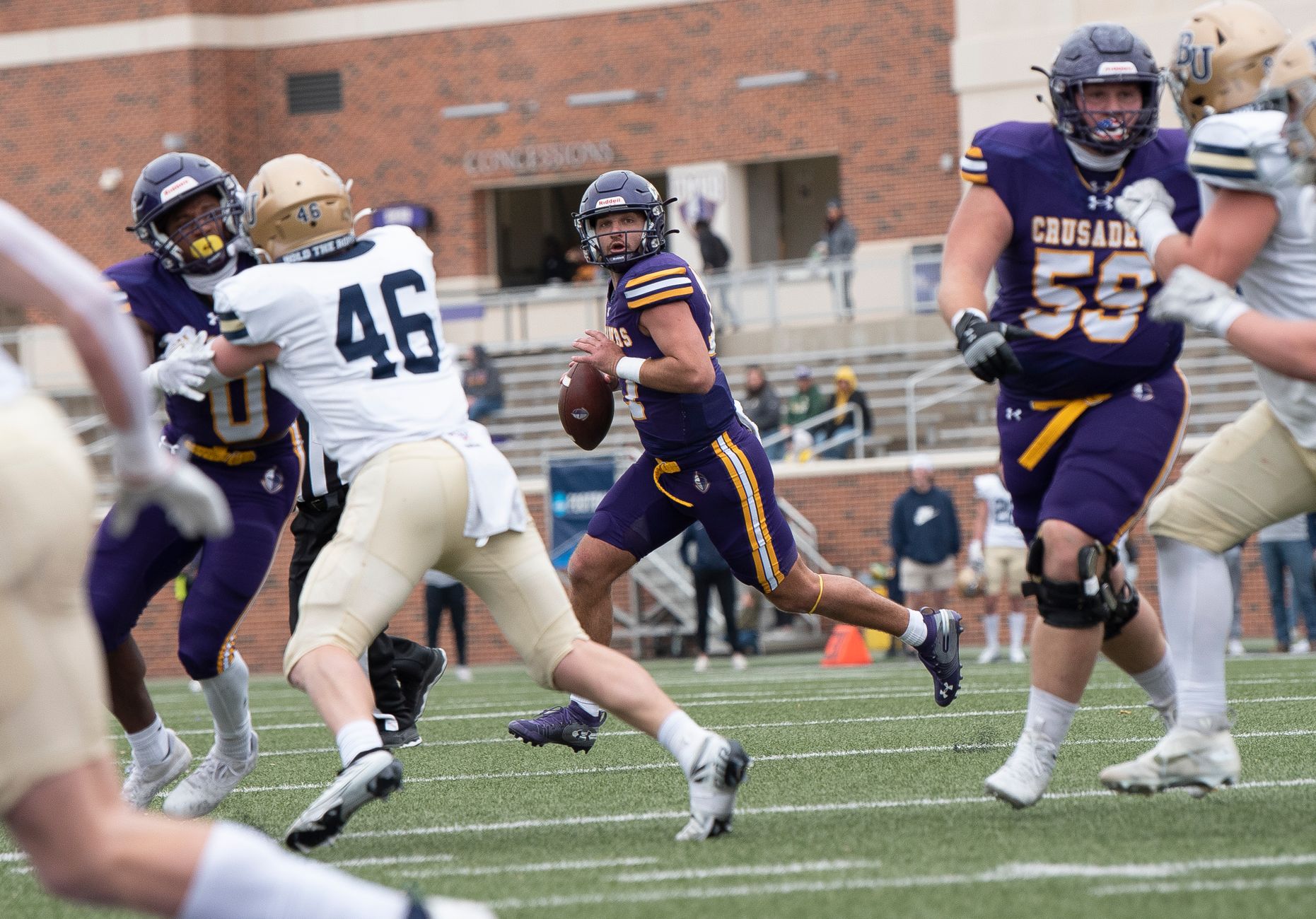
Photo by David Morris on Pexels
Ready to follow college football with a more disciplined lens?
The conclusion is simple: college football in 2026 rewards people who understand timing. The sport is still emotional, tribal, and unpredictable, but the best analysis comes from asking why a number exists before deciding whether it is wrong. Fan Strategy’s approach is to combine schedule context, player evaluation, tactical reasoning, and responsible betting discipline, much like its daily FIFA World Cup coverage. If you follow the 2026 FBS season through that lens, you will be less vulnerable to hype and better prepared for the moments when the market misses what the field is about to reveal.
For smarter previews, tactical notes, and market-aware football coverage, start here.
Frequently Asked Questions
Q: What is college football?
A: College football is gridiron football played by university and college teams, with NCAA FBS as the highest-profile American subdivision. It includes regular-season games, conference championships, bowl games, and the College Football Playoff. In 2026, the FBS calendar stretches from late August into January 2027, making schedule timing central to rankings and betting analysis.
Q: How to follow the 2026 college football schedule?
A: The best way to follow the 2026 college football schedule is to track weekly FBS listings, conference schedules, and CFP dates together. ESPN lists Week 1 from August 22 to September 7, while bowls begin December 13 and the CFP runs into January 27. Pair schedule pages with NCAA rankings and local team news for better context.
Q: What is the difference between college football and the NFL?
A: College football is built around universities, conferences, recruiting, and rankings, while the NFL is a professional league with fixed franchises and standardized contracts. College rosters change faster because of graduation, transfers, and eligibility rules. That makes continuity, coaching systems, and early-season uncertainty more important in college football analysis.
Q: Why do college football rankings sometimes look wrong?
A: College football rankings can look wrong because they mix proven performance with projection, reputation, and strength-of-schedule assumptions. A brand-name team may be ranked highly before solving offensive line or quarterback issues. The better approach is to compare rankings with returning production, opponent quality, and game-by-game efficiency.
Q: What should I do if a college football betting line moves too fast?
A: If a college football betting line moves too fast, pause and identify whether the move comes from injury news, sharp money, public hype, or schedule context. Do not chase a worse number unless your original edge still exists after the move. In 2026, neutral-site games and quarterback headlines may trigger especially quick market reactions.
Q: Is college football betting expensive to start?
A: College football betting does not need to be expensive if you use strict bankroll limits and small unit sizing. Many disciplined bettors risk only 1 percent to 2 percent of bankroll per play. The real requirement is not a large budget, but a repeatable process for comparing odds, schedules, injury information, and roster continuity.
Thank you for reading.
Fan Strategy · Editorial Archive