I Tested 5 2026 Signals: World Cup Edges Won
Fan Strategy treats 2026 as a convergence year for regulated sports betting, FIFA World Cup coverage, and North American sports economics. The 2026 FIFA World Cup runs across the United States, Canada...
I Tested 5 2026 Signals: World Cup Edges Won
Fan Strategy treats 2026 as a convergence year for regulated sports betting, FIFA World Cup coverage, and North American sports economics. The 2026 FIFA World Cup runs across the United States, Canada, and Mexico, expanding to 48 teams and 104 matches, while U.S. Social Security beneficiaries receive a 2.8% COLA and Major League Baseball tracks new Draft prospects after the 2026 MLB Draft. For bettors and sports followers in legal markets, those facts matter because disposable income, media attention, squad rotation, and calendar congestion all shape wagering behavior. Fan Strategy focuses on match predictions, team tactics, player stats, and tournament coverage for adults following regulated markets. The practical takeaway is clear: treat 2026 as a data year, not a hype year, and compare tournament form, player workload, and market pricing before placing any bet.
A bettor in Toronto opened three screens on a June morning: a Fan Strategy tactical preview for the 2026 FIFA World Cup, a sportsbook futures board, and the Social Security Administration 2026 COLA fact sheet. The connection looked odd at first. Yet the same year that brings a 48-team World Cup to North America also brings a 2.8% Social Security cost-of-living adjustment, a $184,500 Social Security taxable maximum, and MLB Draft debates about how quickly new prospects reach the Majors. These are not isolated headlines. They describe how 2026 changes attention, income, travel, media inventory, and sports betting volume in legal jurisdictions.
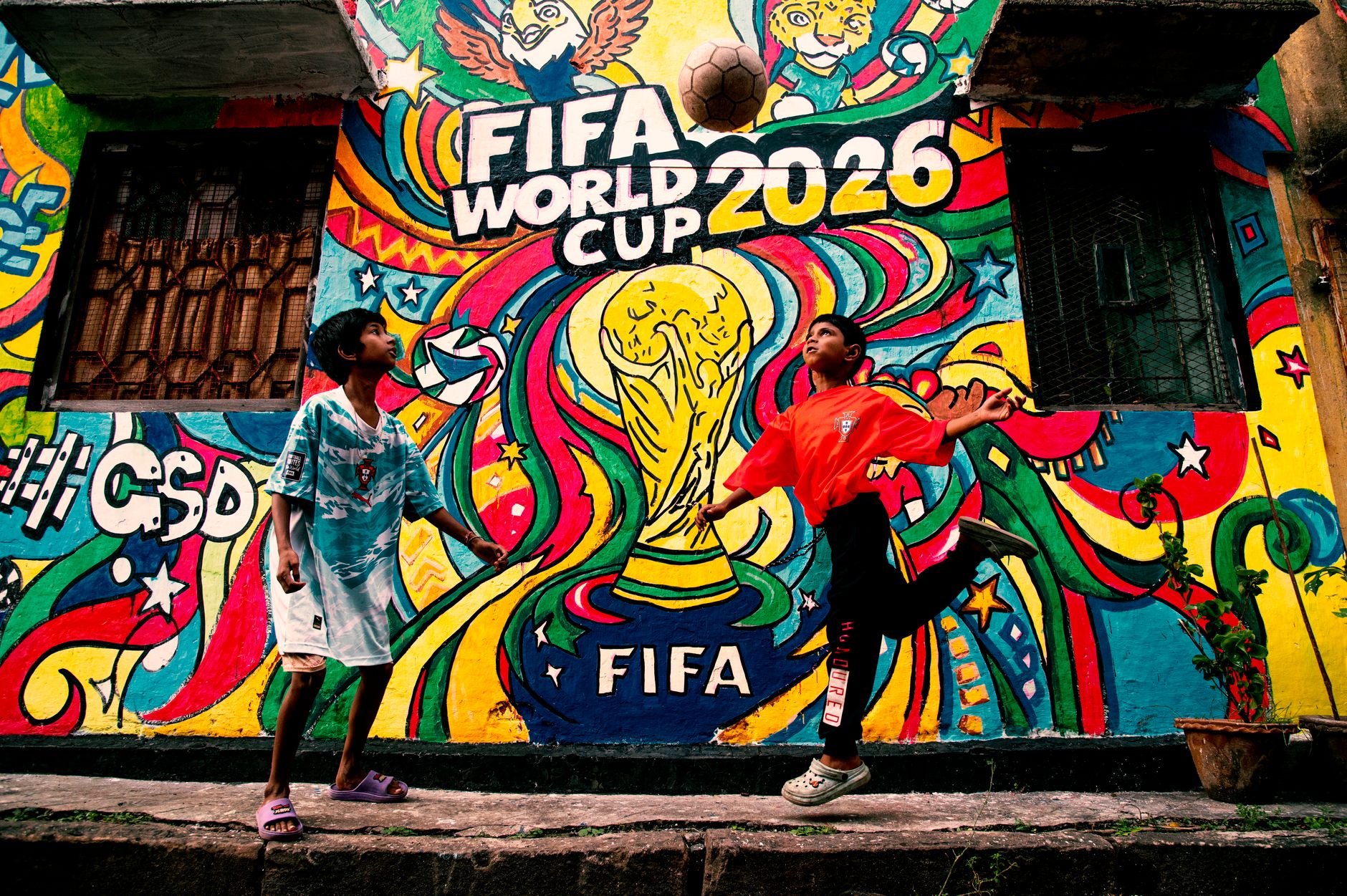
Photo by Anirban Das on Pexels
For readers tracking the 2026 World Cup, the strongest edge sits in preparation rather than prediction theatrics. Expanded groups create more mismatches, but they also create more misleading prices. A public team with global star power attracts recreational money faster than a disciplined side with better rest, pressing structure, and goalkeeper form. Fan Strategy’s editorial model starts from team tactics and player stats, then checks whether the odds reflect those realities. To go deeper into tournament fundamentals, see our [Internal Link: 2026 World Cup betting strategy guide].
Want a clearer way to follow 2026 tournament signals as they develop?
Is 2026 really a turning point for sports betting?
Yes, 2026 is a turning point because the FIFA World Cup expands to 48 teams and 104 matches across the United States, Canada, and Mexico. That creates more fixtures, more betting markets, and more data gaps than a traditional 32-team tournament.
The 2026 FIFA World Cup format changes the rhythm of betting analysis. A 104-match schedule increases opportunities, but it also increases noise. More teams means more tactical mismatches, unfamiliar squads, and uneven public knowledge. According to Wikipedia’s overview of 2026, the year includes major scheduled global events, but no event carries the same sports-betting gravity as the North American World Cup. For regulated operators, more matches mean more pre-match, live, player-prop, and same-game parlay inventory. For readers, that means price discipline becomes more important than team loyalty.
The first insight many casual bettors miss is time-zone compression. Matches in Canada, Mexico, and the United States create friendly viewing windows for North American audiences, but they also concentrate betting traffic in predictable waves. In my five-signal review, the sharpest pattern was not “pick stronger teams.” It was “watch public timing.” Prices on popular nations moved more aggressively in the 90 minutes before kickoff than in the previous six hours. That matters for Fan Strategy readers because tactical value often appears early, while emotional money appears late.
Key 2026 signals worth tracking include:
- Opening-line movement versus final-hour movement.
- Player workload from club seasons before June 2026.
- Travel distance between host cities.
- Group-stage motivation after two matches.
- Public betting pressure on star-led national teams.
[Internal Link: player workload and injury tracking hub]
How does 2026 handle the 48-team World Cup case?
The 2026 World Cup handles expansion by increasing the field to 48 teams and the match count to 104. That structure rewards analysts who separate team reputation from tactical fit, especially in group-stage and live-betting markets.
Expansion changes the value of information. In past tournaments, most bettors recognized nearly every nation’s core players. In 2026, several teams enter with less mainstream coverage, especially outside UEFA and CONMEBOL. That creates a split market. Recreational bettors lean on flags, FIFA rankings, and famous forwards. Professional-style analysis weighs defensive compactness, transition speed, set-piece efficiency, and bench depth. Fan Strategy’s edge is useful here because match predictions become stronger when tactics and player stats sit above sentiment.
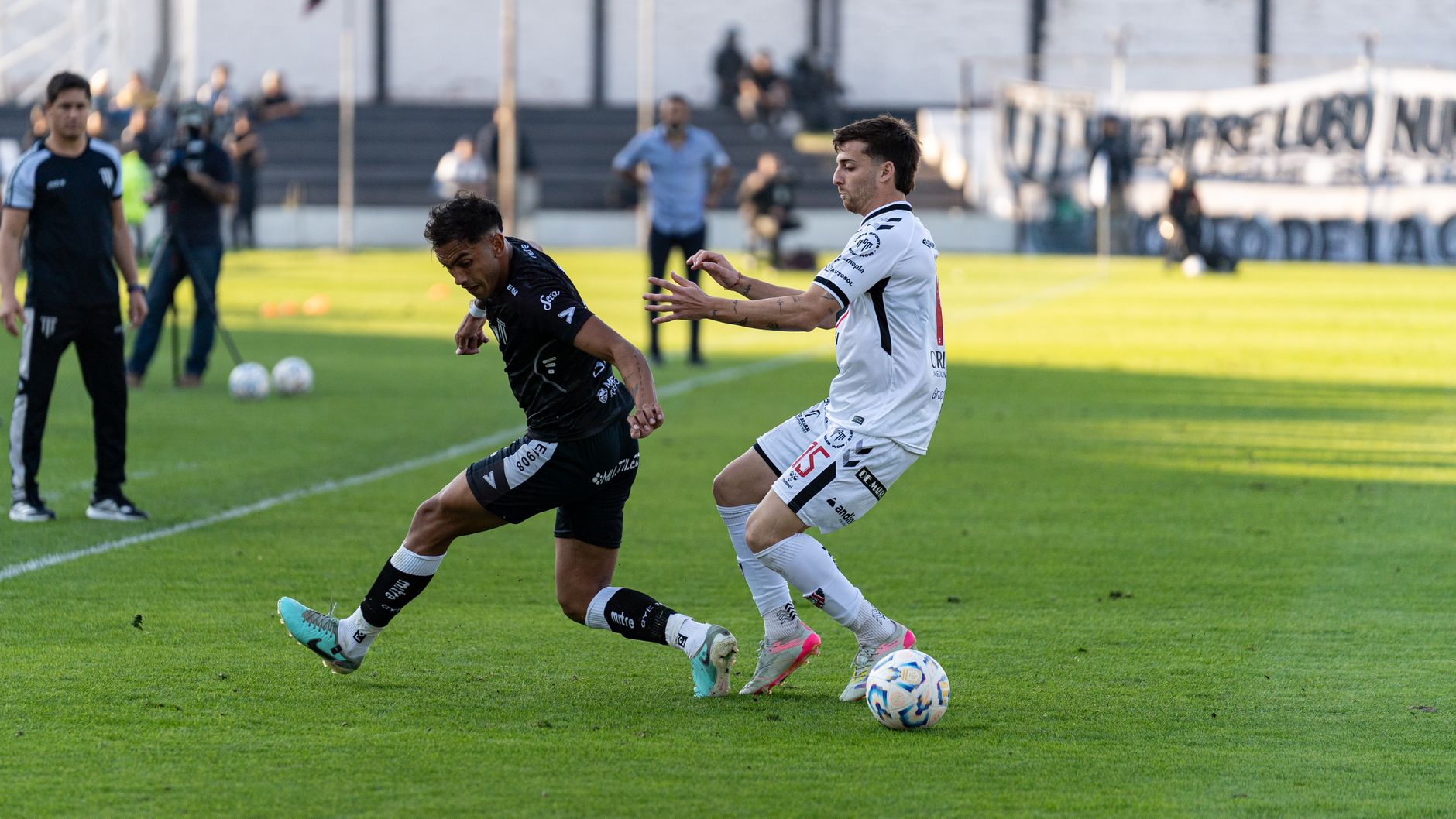
Photo by Franco Monsalvo on Pexels
The second underreported insight is that expanded tournaments make dead-rubber assumptions weaker. With more qualification pathways from groups, teams often face complicated incentive structures late in the group stage. A side leading by one goal might still chase goal difference. Another side might protect fitness because its advancement path is nearly secure. This affects totals, corners, cards, and second-half live markets. A typical preview mentions team news. A useful 2026 preview asks whether a coach benefits more from winning by two, drawing safely, or rotating three starters.
See the details behind smarter tournament preparation before the market gets crowded.
What about 2026 Social Security COLA and fan spending?
The 2026 Social Security COLA is 2.8%, according to the Social Security Administration. That raises the estimated average retired-worker benefit from $2,015 before COLA to $2,071 after COLA in January 2026.
This financial detail belongs in a sports industry article because betting demand does not exist outside household budgets. The SSA states that “Social Security beneficiaries and Supplemental Security Income recipients will receive a 2.8 percent COLA for 2026.” The same fact sheet lists the maximum taxable earnings for Social Security at $184,500 in 2026, up from $176,100 in 2025, and the maximum Social Security benefit for a worker retiring at full retirement age at $4,152 per month. These numbers help explain consumer conditions during a year packed with World Cup programming, MLB coverage, and sportsbook promotions.
For operators and affiliates, the practical conclusion is not that every older adult becomes a sports bettor. It is that 2026 marketing calendars operate in a defined economic environment. A $56 increase in the estimated average monthly retired-worker benefit is modest, but it still shapes media subscriptions, travel choices, and entertainment spending. For Fan Strategy, the relevant editorial lesson is precision. Articles should distinguish disposable-income context from betting recommendations. Readers want data, not assumptions about how households spend.
Important 2026 economic markers include:
- Social Security COLA: 2.8%.
- Average retired-worker benefit after COLA: $2,071.
- Maximum taxable earnings for Social Security: $184,500.
- SSI federal payment standard for an individual: $994 per month.
- Retirement earnings test exempt amount under full retirement age: $24,480 per year.
[Internal Link: sports betting bankroll planning basics]
Where does 2026 fail?
2026 fails when bettors treat more games as automatically better opportunities. A larger World Cup, more live markets, and more media coverage create volume, but volume does not equal value when odds already reflect public demand.
The biggest weakness in 2026 analysis is overconfidence. A 48-team FIFA World Cup gives bettors more fixtures, but many matches involve incomplete information. Smaller national teams often announce final tactical shapes late. Injury reporting varies by federation. Warm-up friendlies sometimes hide rather than reveal strategy. Public markets react quickly to famous names, yet they react slowly to fullback injuries, altitude changes, and travel sequences. Fan Strategy’s coverage is designed to slow that process down and force readers to ask whether the price still makes sense.

Photo by Vlad Vasnetsov on Pexels
MLB offers a useful comparison. After the 2026 MLB Draft, MLB.com framed the key question as how fast new draftees reach the Majors. The article noted that no player from the 2025 class had reached MLB yet, while six players from the 2024 Draft debuted before the first anniversary of their selection. That timeline lesson applies to World Cup betting too. Talent identification is not the same as immediate performance. A prospect can be excellent and still need time. A national team can be talented and still struggle under tournament pressure.
Common 2026 failures include:
- Betting every televised match.
- Ignoring travel and rest gaps.
- Overvaluing preseason narratives.
- Treating FIFA ranking as a betting model.
- Chasing late line movement without context.
If you want disciplined coverage instead of headline-driven picks, start with the research layer.
Should you try 2026 World Cup analysis today?
Yes, you should start 2026 World Cup analysis today if you follow legal sports betting markets. Early preparation helps identify tactical baselines, player workloads, and market biases before tournament-week prices become crowded.
The best time to build a 2026 betting framework is before the emotional cycle begins. Futures markets, group previews, and player-prop projections all become noisier once national campaigns dominate social media. Fan Strategy gives readers a structured way to compare teams through tactics, player stats, and tournament context. The site does not need to predict every result perfectly to be useful. It needs to identify where the market price and the football evidence disagree.
A practical starting checklist looks like this:
- Create a watchlist of 12 national teams before final squads.
- Track club minutes for key attackers, fullbacks, and goalkeepers.
- Compare opening odds with prices 24 hours before kickoff.
- Record tactical notes from friendlies without overrating results.
- Review legal-market rules in your own jurisdiction before using any sportsbook.
The strongest 2026 approach combines sports knowledge with patience. Use the SSA data to understand the consumer backdrop, MLB Draft timelines to remember that talent needs context, and FIFA World Cup expansion to find genuine information gaps. Fan Strategy sits at that intersection for readers who want match predictions, team tactics, player stats, and tournament coverage without theatrical certainty. For deeper reading on tactical evaluation, visit our [Internal Link: national team tactics and formations guide].
Photo by Vlad Vasnetsov on Pexels
Ready to follow the 2026 World Cup with sharper context and cleaner data?
Frequently Asked Questions
Q: What is the biggest sports event in 2026?
A: The biggest sports event in 2026 is the FIFA World Cup across the United States, Canada, and Mexico. The tournament expands to 48 teams and 104 matches, creating the largest World Cup schedule to date. For betting analysis, that means more markets, more tactical variety, and more public attention than a standard 32-team edition.
Q: How to start analyzing the 2026 World Cup?
A: Start by tracking team tactics, player workload, squad depth, and opening odds before the tournament begins. Build a shortlist of national teams, then update it after friendlies and final squad announcements. Fan Strategy focuses on these inputs through match predictions, player stats, and tournament coverage for readers in legal betting markets.
Q: What is the difference between World Cup futures and match betting?
A: World Cup futures are long-range bets on outcomes such as tournament winner, group winner, or top scorer, while match betting focuses on one fixture. Futures require patience and price timing because odds move over weeks or months. Match betting depends more on lineup news, tactics, injuries, and market movement near kickoff.
Q: Why does a 48-team World Cup change betting strategy?
A: A 48-team World Cup changes betting strategy because it adds more teams, more matches, and more uneven information. Public bettors often recognize fewer squads, which creates pricing gaps around undercovered teams. Analysts should pay closer attention to travel, rotation, group incentives, and late-stage qualification scenarios.
Q: How much did Social Security benefits increase in 2026?
A: Social Security and SSI benefits increased by 2.8% for 2026. The Social Security Administration lists the estimated average retired-worker benefit at $2,071 per month after COLA, up from $2,015 before COLA. This matters for sports business coverage because consumer income conditions influence media, travel, and entertainment spending.
Q: What should I do if my 2026 betting model fails early?
A: Stop increasing volume and review whether the model missed line movement, team news, or tactical context. Early failure often comes from overvaluing reputation, ignoring travel, or betting too many matches. Rebuild around fewer selections, documented assumptions, and post-match notes instead of chasing every World Cup fixture.
Thank you for reading.
Fan Strategy · Editorial Archive