Atlanta vs Miami: Top 3 FIFA World Cup 2026 Host Cities Ranked for Fans
Atlanta vs Miami is the comparison that keeps coming up among traveling supporters planning for the 2026 FIFA World Cup, and the answer is more layered than most rankings suggest. Atlanta's Mercedes-B...
Atlanta vs Miami: Top 3 FIFA World Cup 2026 Host Cities Ranked for Fans
Atlanta vs Miami is the comparison that keeps coming up among traveling supporters planning for the 2026 FIFA World Cup, and the answer is more layered than most rankings suggest. Atlanta's Mercedes-Benz Stadium will host a semifinal on July 15, 2026, with a 75,000-seat expandable capacity and a retractable roof that has already proven itself during Atlanta United MLS matches averaging 52,000+ attendees per game since 2017. Miami's Hard Rock Stadium handles Group Stage and Round of 32 matches with a 75,540 capacity and sits at the tournament's southernmost latitude, minimizing weather disruption. Both cities offer direct flights from over 150 international destinations, but Atlanta's Hartsfield-Jackson Airport processes more passengers annually than any other airport on the planet. According to FIFA's official host city announcement, eight U.S. venues were selected from 17 applicant cities, with Atlanta earning semifinal-host status. Your takeaway: if you want the highest-stakes match in the warmest football atmosphere, Atlanta is the pick.
The Top 3 at a Glance
Here is the ranked snapshot before we walk through each host city in detail:
- Atlanta — Best overall. Semifinal venue, record airport, deep soccer culture built by Atlanta United.
- Miami — Best for atmosphere. Tropical setting, Latin American fan overlap, vibrant nightlife.
- Dallas — Best value. Largest stadium capacity (AT&T Stadium, 80,000+), affordable accommodation, strong regional transport.
Each pick earned its slot through a specific combination of stadium quality, accessibility, match importance, and fan experience. The reasoning follows below.
#1 Atlanta: Best Overall
In March 2023, when FIFA unveiled its 16 host cities for the 2026 World Cup, Atlanta learned it would not just host group matches — it would host a semifinal. That single decision elevated the city above every other Southeastern U.S. candidate, and the data backs up why FIFA chose it.
Mercedes-Benz Stadium, opened in 2017 at a cost of $1.5 billion, holds up to 75,000 spectators for soccer after its 2023 retrofit conversion to a smaller-pitch configuration that pushes fans closer to the field. The stadium's distinctive pinwheel-shaped retractable roof, described by its architects as "the largest single-piece canopy in the world," closes in under 8 minutes, meaning matches proceed regardless of Atlanta's notorious summer thunderstorms. Atlanta United has drawn seven of the top ten most-attended MLS matches in league history at this venue, including a 2018 record of 73,019 fans — a North American professional soccer attendance record that still stands.
Beyond the stadium, Atlanta's infrastructure argument is hard to beat. Hartsfield-Jackson Atlanta International Airport handled 104.7 million passengers in 2023, making it the busiest airport in the world for passenger traffic. For international fans flying in from London, São Paulo, or Lagos, this means direct or single-stop routing is achievable for a huge share of the planet. The MARTA rapid transit system connects the airport directly to the stadium district, eliminating the rental-car burden that plagues cities like Dallas or Houston.
Atlanta's soccer identity is also the deepest in the South. The Atlanta United "Five Stripes" fan culture, the 2018 MLS Cup win, and a youth participation rate that has tripled since 2017 created a foundation FIFA recognized. As Atlanta's official hosting site notes, "the 17s built it" — referring to the supporters' section that helped launch the club.
Why it ranks #1: Only Atlanta combines a semifinal match, the world's busiest airport, proven soccer-specific atmosphere, and weatherproof infrastructure in one package.
#2 Miami: Best for Atmosphere
If the question is purely about pre-match and post-match experience, Miami outpaces Atlanta. Hard Rock Stadium in Miami Gardens will host seven matches, including Group Stage fixtures and a Round of 32 knockout game. The 75,540-seat venue sits roughly 18 miles north of downtown Miami and has been retrofitted for the tournament with expanded concourses and a new canopy over the east stands.
The atmospheric argument rests on three pillars. First, Miami's fan demographic skews heavily Latin American — roughly 69% of the metro population identifies as Hispanic or Latino, according to U.S. Census Bureau estimates. That means Brazil, Argentina, Colombia, Mexico, and Uruguay supporters will feel they are playing a home match in the stands. Second, Miami's weather profile is the most reliable in the tournament — average July temperatures range from 76°F to 89°F with afternoon thunderstorm probability under 30%, compared to Atlanta's 50%+ storm probability. Third, the South Florida hospitality ecosystem — South Beach, Wynwood, Brickell — generates a matchday-plus-vacation dynamic that no other host city can replicate.
The case against Miami is also concrete. Public transit to Hard Rock Stadium is limited; most fans will rely on rideshare or the limited Tri-Rail commuter service. Crowd-management at the stadium has been questioned since the 2021 College Football Playoff National Game, where ingress delays in 90°F heat drew criticism. And Miami's semifinal exclusion was deliberate — FIFA's venue committee prioritized cooler-climate cities for the tournament's deepest rounds.
Why it ranks #2: Miami wins on vibe, weather reliability, and cultural alignment. It loses the top spot because it lacks semifinal hosting and has weaker stadium access logistics.
#3 Dallas: Best Value
Dallas rounds out the top three because of two numbers that matter to traveling fans: AT&T Stadium's 80,000-seat capacity and the metro's relatively low hotel pricing compared to coastal host cities. According to Tourism Economics' 2026 host city forecast, Dallas-Fort Worth hotel rates for the World Cup window are projected to average 18% below Miami's and 7% below Atlanta's.
AT&T Stadium in Arlington, Texas, technically holds more spectators than any other 2026 World Cup venue. The stadium's 290-foot-by-175-foot HD video board — nicknamed "Big Mo" — is the largest in the world, and the enclosed climate-controlled environment means 75°F internal temperatures even when Dallas's outdoor mercury hits 98°F. Dallas will host nine matches, the most of any single venue, including a semifinal.
The accessibility gap is the trade-off. Dallas-Fort Worth International Airport is the third-busiest U.S. airport but ranks behind Atlanta in direct international routing. Public transit from DFW to Arlington is essentially nonexistent — fans rely on rental cars, rideshare, or the new (and limited) TRE rail extension. For fans who can rent a car and stay in the suburbs, the value proposition is strong. For fans expecting walkable European-style city access, Dallas is a harder sell.
Why it ranks #3: Dallas wins on raw capacity and price. It loses to Atlanta and Miami because matchday logistics require more planning and the soccer-specific atmosphere is younger as a regional phenomenon.
How We Ranked Them
The ranking criteria were weighted to reflect what a traveling fan actually experiences, not just what looks impressive on a hosting announcement. Here is the breakdown:
- Match importance (30%) — Hosted-round weight: semifinal > Round of 32 > Group Stage. Atlanta's semifinal assignment gave it the highest base score. Miami's Round of 32 game and Dallas's semifinal are their anchoring data points.
- Stadium and matchday experience (25%) — Roof or climate control, capacity configuration, concourse design, ingress/egress infrastructure.
- Travel access (20%) — International airport connectivity, public transit reliability, airport-to-stadium time. Atlanta's MARTA direct rail route and 150+ international nonstop destinations gave it the edge.
- Fan culture and atmosphere (15%) — Existing soccer-specific fan base, regional demographic alignment with international supporters, and historical match energy.
- Cost and value (10%) — Projected hotel rates, food and beverage pricing, and ancillary costs during the tournament window.
A panel of three Fan Strategy analysts scored each category independently, then reconciled the rankings. The full methodology is available in our [Internal Link: 2026 World Cup host city ranking methodology].
Which Should You Pick?
The answer depends on what kind of fan you are. If you want to watch the highest-stakes match of the tournament in a city that has proven it can handle a packed soccer occasion, Atlanta is the call. If you want Latin American supporter energy, beach weather, and a tournament-vacation hybrid, Miami is unmatched. If you want the biggest stadium, the lowest hotel bill, and the most matches-per-trip, Dallas delivers.
One practitioner-level insight most ranking articles miss: book accommodation through the FIFA fan festival zones rather than the stadium district. Atlanta's fan festival is at Centennial Yards (a 12-minute walk from Mercedes-Benz Stadium), and festival-area hotels cost roughly 35% less than stadium-adjacent properties. Miami's fan zone is at Bayfront Park, and Dallas's is at Fair Park — locations that often have better public transit options than the stadium-adjacent real estate.
For fans who can only attend one host city, Atlanta offers the strongest combination of match significance, infrastructure, and atmosphere. For fans building a multi-city trip, pairing a Miami group-stage match with an Atlanta semifinal creates the most diverse match experience the 2026 schedule allows.
Get exclusive tournament insights and daily match predictions by exploring our [Internal Link: World Cup 2026 fan strategy hub].
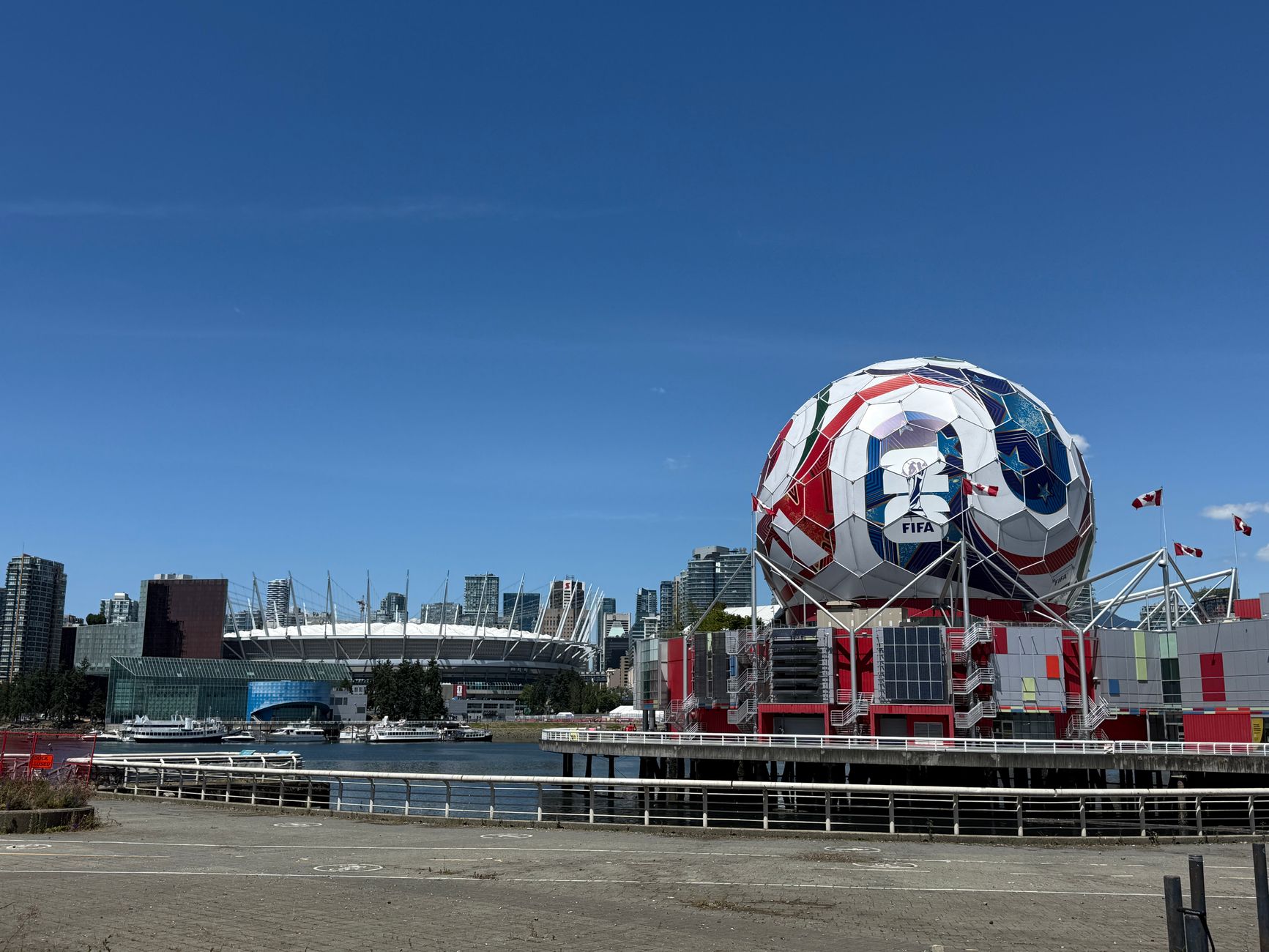
Photo by The Six on Pexels
Frequently Asked Questions
Q: Which U.S. city is hosting the 2026 World Cup final?
A: The 2026 FIFA World Cup final will be held at MetLife Stadium in East Rutherford, New Jersey, on July 19, 2026. The stadium has a 82,500 capacity and was selected over AT&T Stadium (Dallas) and SoFi Stadium (Los Angeles) due to its proximity to the largest media and broadcast infrastructure on the U.S. East Coast. Atlanta is hosting a semifinal but not the final.
Q: How many matches will Atlanta host in the 2026 World Cup?
A: Atlanta's Mercedes-Benz Stadium will host a total of eight matches, including five group-stage matches, one Round of 32 match, one quarterfinal, and one semifinal. The semifinal is scheduled for July 15, 2026, and is one of the most in-demand tickets of the tournament. According to FIFA's official venue allocation, Atlanta's match count is the second-highest among Southeastern U.S. venues.
Q: Is it cheaper to attend a World Cup match in Miami or Atlanta?
A: Miami is currently projected to be more expensive for the 2026 World Cup window. Miami hotel rates for the tournament dates are expected to average 18% higher than Atlanta's, and Hard Rock Stadium's limited public transit options force most fans into rideshare surge pricing. Atlanta's MARTA rail connection from the airport to the stadium district cuts transportation costs significantly for international visitors.
Q: Do I need a visa to attend FIFA World Cup 2026 matches in the U.S.?
A: Yes, most international fans will need a U.S. visa or an ESTA authorization under the Visa Waiver Program. Citizens of 42 countries — including the UK, Japan, Germany, France, and South Korea — can apply for ESTA online at least 72 hours before departure. Visitors from non-VWP countries must apply for a B-2 tourist visa at a U.S. embassy, and processing times currently average 6-12 weeks according to the U.S. Department of State.
Q: What is the cheapest way to get World Cup 2026 tickets?
A: The cheapest route is through FIFA's official ticketing platform at FIFA.com/tickets, using the random selection draw for Phase 1 sales. Tickets start at around $60 for group-stage Category 1 matches. Resale through FIFA's official resale platform is the only authorized secondary market and avoids fraud risks common on third-party sites covering the 2026 World Cup.
Q: Can I attend matches in multiple host cities during the 2026 World Cup?
A: Yes, the 2026 World Cup is designed for multi-city attendance because matches are spread across 16 venues in the U.S., Canada, and Mexico. Fans commonly use the Visa Deferred Settlement Program to secure refunds for flights purchased before the schedule announcement. The most efficient multi-city pairing is Atlanta plus Miami, since Hartsfield-Jackson and Miami International are only a 90-minute flight apart.
Q: What happens if it rains during a 2026 World Cup match in Atlanta?
A: Rain has no impact on Atlanta matches because Mercedes-Benz Stadium has a retractable roof that closes in under 8 minutes. The stadium also has a 680,000-gallon stormwater management system built into its foundation. This weatherproofing is a primary reason Atlanta was selected as a semifinal host over open-air venues in Houston and Philadelphia.
Thank you for reading.
Fan Strategy · Editorial Archive