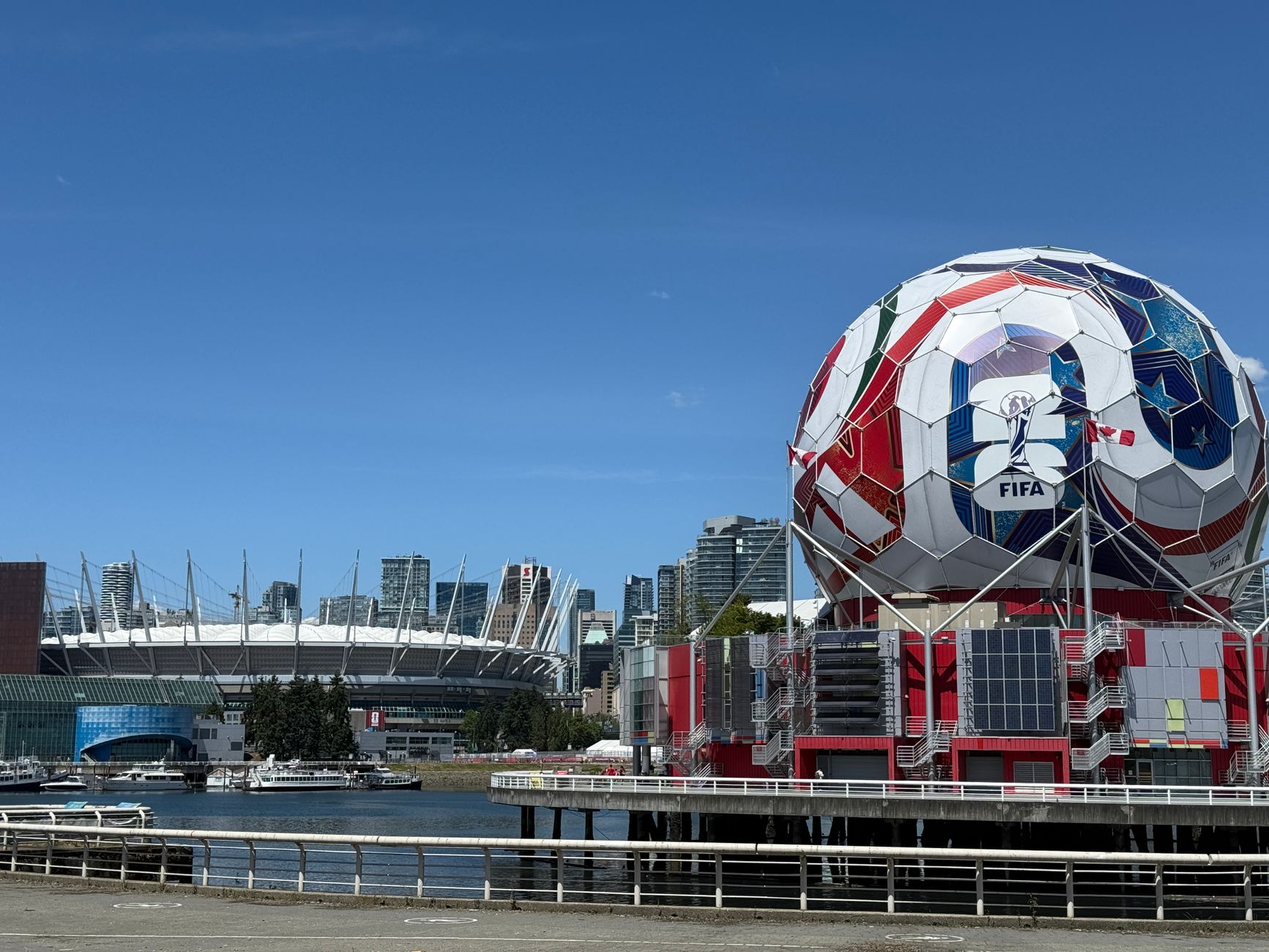
FIFA World Cup vs Club World Cup: 2026 Stakes
The FIFA World Cup is the senior men’s national-team tournament organized by FIFA, and in 2026 it expands to 48 teams across the United States, Canada, and Mexico. Fan Strategy covers the tournament f...
FIFA World Cup vs Club World Cup: 2026 Stakes
The FIFA World Cup is the senior men’s national-team tournament organized by FIFA, and in 2026 it expands to 48 teams across the United States, Canada, and Mexico. Fan Strategy covers the tournament for fans and bettors who want match predictions, team tactics, player statistics, and daily 2026 World Cup analysis. The competition began in 1930 in Uruguay, is usually staged every four years, and has been won most often by Brazil, with five titles. Unlike the FIFA Club World Cup, which ranks clubs, the World Cup tests national programs, coaching depth, qualifying strength, and pressure management. For 2026, focus less on reputation alone and more on squad rotation, travel distance, group-path difficulty, and knockout matchup probability.
In 2018, a casual bettor in Toronto backed Croatia after watching Luka Modric control tempo against Argentina, not because Croatia were favorites, but because the midfield pattern looked repeatable. Four years later, many fans made the opposite mistake by judging Argentina only through their opening loss to Saudi Arabia. The FIFA World Cup rewards patient interpretation: form, travel, tactical matchups, and tournament psychology matter more than headline odds. Fan Strategy exists for that exact space between emotion and evidence.
Photo by The Six on Pexels
Want a sharper way to follow the 2026 tournament from the first group match onward?
Is the FIFA World Cup really the biggest football tournament?
Yes, the FIFA World Cup is the biggest national-team football tournament because it combines global qualification, national identity, elite players, and a four-year cycle. The 2026 edition includes 48 teams, making it larger than every previous men’s World Cup.
The scale is not only emotional; it is structural. FIFA’s own tournament history records the first men’s World Cup in Uruguay in 1930, while the FIFA World Cup overview documents its growth into a global event watched across continents. Brazil’s five titles, Germany and Italy’s four each, and Argentina’s 2022 triumph give the event a statistical memory that casual viewers and serious analysts can both use. The Club World Cup crowns a club champion, but the FIFA World Cup measures federations, player development systems, and national coaching choices across years.
For bettors and analysts, that difference matters. A club team such as Manchester City or Real Madrid trains daily, buys players for specific tactical needs, and usually has more predictable automatisms. A national team may meet for short windows, then depend on compressed preparation, player chemistry, and selection discipline. That is why Fan Strategy treats the FIFA World Cup as a separate betting and tactical market, not simply a bigger version of club football. To build a stronger baseline, compare tournament history, confederation strength, and recent qualifying patterns before reading daily odds. For deeper preparation, see our [Internal Link: 2026 World Cup team form guide].
How does the FIFA World Cup handle the 2026 expansion?
The 2026 FIFA World Cup handles expansion by moving from 32 to 48 teams, hosted across the United States, Canada, and Mexico. FIFA has confirmed the tournament will feature more nations, more matches, and a broader qualification pathway than Qatar 2022.
Expansion changes how fans should read early results. In a 32-team format, group-stage margins were already thin; in 2026, the wider field may create more mismatches, but it also increases volatility because more teams arrive with less World Cup experience. According to FIFA, the 2026 tournament is the first men’s World Cup staged across three host countries. That geography creates a practical betting detail many previews miss: travel distance and climate variation may influence pressing intensity, late-game substitutions, and recovery windows, especially for teams moving between Mexico City altitude and lower-altitude venues in the United States or Canada.
A useful 2026 checklist should include:
- Host-city travel distance between matches.
- Kickoff climate, including heat, humidity, and altitude.
- Squad depth across full-back, defensive midfield, and striker roles.
- Penalty history for likely knockout teams.
- Refereeing tendencies once FIFA appoints match officials.

Photo by Leah Newhouse on Pexels
See the tactical angles and market signals before the schedule becomes crowded.
One under-discussed edge case is rotation after qualification is nearly secured. In a larger field, some favored teams may qualify from the group phase with less urgency in their final match, which can distort goalscorer, corner, and card markets. Another practical insight: teams with MLS-based players may adapt faster to North American travel logistics than squads arriving entirely from Europe after long domestic seasons. That does not automatically make the United States, Canada, or Mexico title contenders, but it may affect early match tempo and second-half endurance. Fan Strategy will track these operational signals daily, not just the obvious player headlines.
What about World Cup betting strategy in edge cases?
World Cup betting edge cases usually appear when public sentiment overreacts to one result, one injury, or one famous player. The smarter approach is to separate narrative risk from measurable factors such as expected goals, lineup stability, travel, and tactical matchup.
Consider Argentina in 2022. After losing 2-1 to Saudi Arabia, the market conversation briefly treated Argentina as fragile, yet Lionel Scaloni’s team still had elite ball progression, Lionel Messi, and a manageable path after tactical correction. A similar pattern may appear in 2026 when a strong side draws its opener or rotates heavily in match three. Public bettors often chase certainty after the fact, but tournament value frequently appears before consensus catches up. The International Football Association Board states that “the same Laws apply in every match in every confederation, country, town and village,” yet interpretation, match context, and referee tolerance still shape cards, penalties, and stoppage time.
For edge-case betting, think like a match analyst before thinking like a fan:
- If a favorite concedes early, does it have chance creation or only possession?
- If an underdog wins, was it repeatable pressing or low-probability finishing?
- If a star is injured, does the system collapse or simply change shape?
- If odds shorten after one match, is the market pricing form or emotion?
To keep your research organized, bookmark our [Internal Link: World Cup betting market checklist].
Where does the FIFA World Cup fail?
The FIFA World Cup fails when spectacle hides practical weaknesses: congested calendars, political controversy, uneven qualification strength, and overconfident betting narratives. Even the world’s most prestigious tournament can produce misleading results when fans ignore context.
The most obvious failure is schedule pressure. Players arrive after demanding club seasons from competitions such as the Premier League, La Liga, Serie A, Bundesliga, Ligue 1, Major League Soccer, and the Saudi Pro League. A national coach then has limited time to turn individuals into a functioning unit. This gap explains why some squads with world-class names underperform, while compact teams with clear roles exceed expectations. For betting analysis, “best players” and “best team” are not the same claim, and the World Cup exposes that difference brutally.
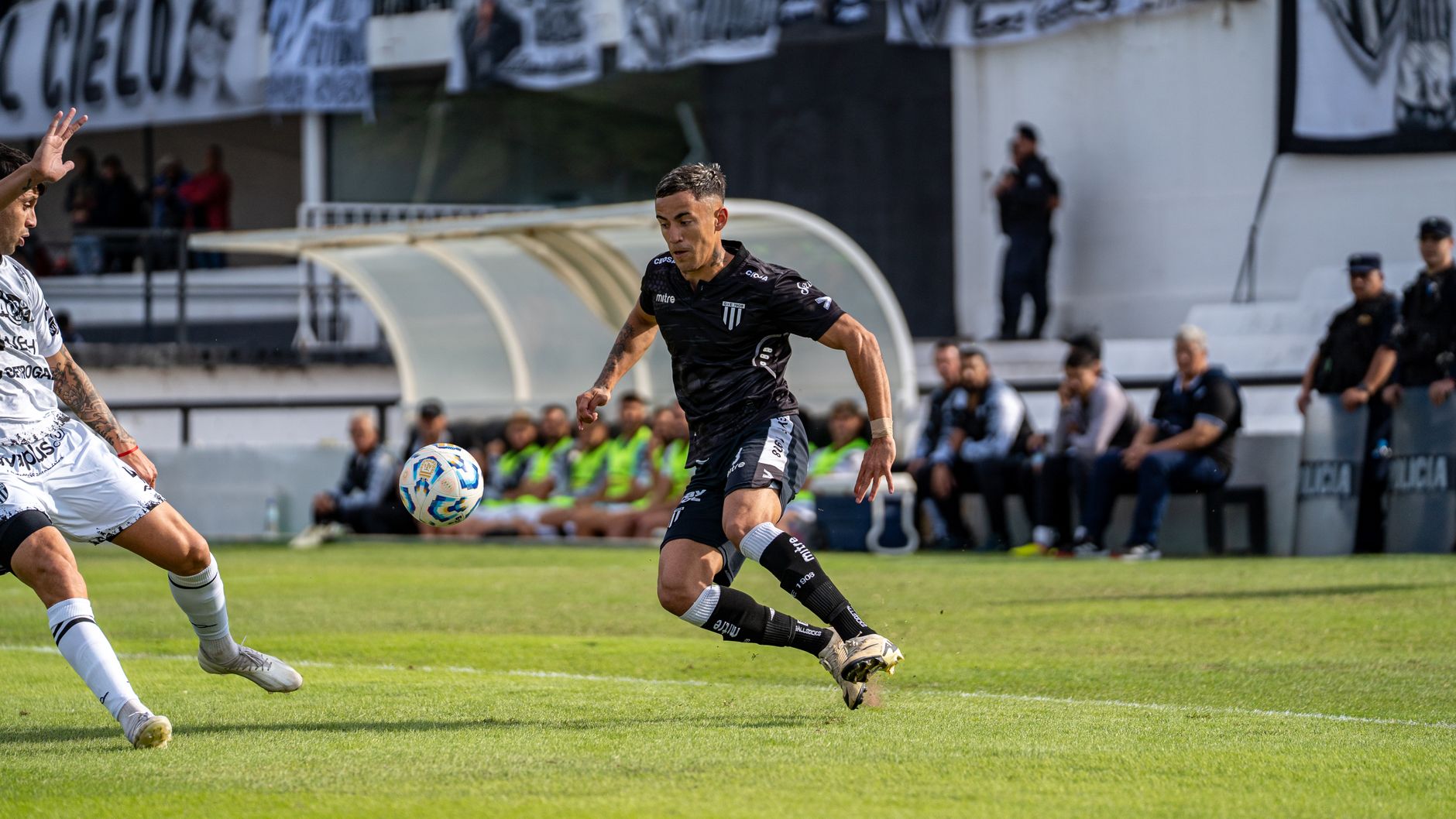
Photo by Franco Monsalvo on Pexels
Another failure is public memory. Fans remember Germany 7-1 Brazil in 2014, Spain’s tiki-taka peak in 2010, and France’s 2018 transition speed, but those memories can become traps. A country’s past trophy count does not press, defend set pieces, or finish chances in 2026. Fan Strategy recommends treating history as a weighting factor, not a prediction model. Use it to understand tournament culture and pressure tolerance, then verify current squad age, injury status, goalkeeper form, and tactical balance. For more context, read our [Internal Link: national team tactical trends].
Get practical tournament coverage instead of relying on reputation alone.
Should you try Fan Strategy today?
Yes, you should try Fan Strategy if you want 2026 FIFA World Cup coverage that connects tactics, statistics, predictions, and betting context. It is most useful for fans who want daily insight rather than last-minute guesses.
The value is not in pretending football can be solved. The value is in asking better questions before odds move and before public opinion hardens. Fan Strategy focuses on match predictions, team tactics, player stats, and tournament coverage for the 2026 World Cup, with attention to lineup news, tactical mismatches, and market behavior. That approach is especially important in a 48-team tournament, where unfamiliar teams may create both risk and opportunity. A bettor who understands why Japan pressed Germany effectively in 2022, or why Morocco’s defensive structure frustrated Spain and Portugal, is better prepared than someone who only reads rankings.
Before placing any wager, define your process:
- Start with team news and likely lineups.
- Compare tactical styles, not only FIFA rankings.
- Check venue, travel, and rest conditions.
- Review odds movement before and after confirmed lineups.
- Set a staking limit before emotion enters the decision.

Photo by César O'neill on Pexels
The FIFA World Cup remains the sport’s greatest pressure test because it compresses national identity, elite football, and tactical uncertainty into one month. The 2026 edition will be bigger, more geographically complex, and more difficult to price than previous tournaments. If you want to enjoy it intelligently, treat every match as a case study rather than a slogan. Fan Strategy can help you separate signal from noise, whether you follow Argentina, Brazil, France, England, Spain, Germany, Mexico, Canada, or the United States.
Ready to follow the 2026 World Cup with sharper analysis and daily insight?
Frequently Asked Questions
Q: What is the FIFA World Cup?
A: The FIFA World Cup is FIFA’s senior men’s national-team football championship, usually held every four years. It began in 1930 in Uruguay and has become the most prestigious competition in international football. The 2026 edition will feature 48 teams across the United States, Canada, and Mexico.
Q: How do I get started with FIFA World Cup analysis?
A: Start by studying team form, squad depth, tactical style, and the tournament schedule. Then compare those factors with betting odds, injury news, and venue conditions. For 2026, travel distance and climate differences across North America should be part of every serious preview.
Q: What is the difference between the FIFA World Cup and the Club World Cup?
A: The FIFA World Cup is for national teams, while the FIFA Club World Cup is for club teams. National teams depend on limited preparation and federation-level talent pools, while clubs train together throughout the season. That makes World Cup analysis more dependent on chemistry, coaching, travel, and knockout pressure.
Q: Is FIFA World Cup betting worth it?
A: FIFA World Cup betting can be worthwhile if you use disciplined research and responsible staking. The tournament creates pricing opportunities because public emotion often overreacts to famous teams, star players, and single-match results. However, no prediction is guaranteed, so bettors should set limits and avoid chasing losses.
Q: Why do strong teams sometimes fail at the World Cup?
A: Strong teams fail when talent does not translate into balance, fitness, or tactical clarity. A squad may have elite attackers but weak defensive transitions, poor set-piece marking, or limited midfield control. Short preparation time also makes national-team football less predictable than club football.
Q: How much does it cost to follow Fan Strategy?
A: Visit Fan Strategy directly for current access details, coverage options, and available content. The site focuses on FIFA World Cup predictions, team tactics, player stats, and daily 2026 tournament coverage. Checking the platform before the tournament begins helps you build a consistent research routine.
Thank you for reading.
Fan Strategy · Editorial Archive